Everest Three Passes Trek
1290

Trip Facts
- Duration 19 Days
- Trip Difficulty moderate_strenuous
- Max. Altitude 5550 m
- Start and End Kathmandu - Kathmandu
- Best Time Spring & Autumn
- Accommodation Tea House
Trip Highlights
- Complete Nepal's ultimate Everest trekking adventure by crossing the legendary Kongma La (5,535 m), Cho La (5,420 m), and Renjo La Pass (5,360 m).
- Stand at the foot of the world's highest mountain at Everest Base Camp (5,364 m).
- Witness a breathtaking sunrise from Kala Patthar (5,545 m) with the closest panoramic views of Mount Everest.
- Hike to Gokyo Ri (5,357 m) for one of the finest viewpoints in the Himalayas overlooking Everest, Lhotse, Makalu, Cho Oyu, and the Ngozumpa Glacier.
- Explore the stunning Gokyo Lakes, famous for their crystal-clear turquoise waters surrounded by towering Himalayan peaks.
- Experience three spectacular high mountain passes, each offering unforgettable glacier, lake, and Himalayan panoramas.
- Trek through the heart of Sagarmatha National Park, a UNESCO World Heritage Site rich in wildlife and alpine landscapes.
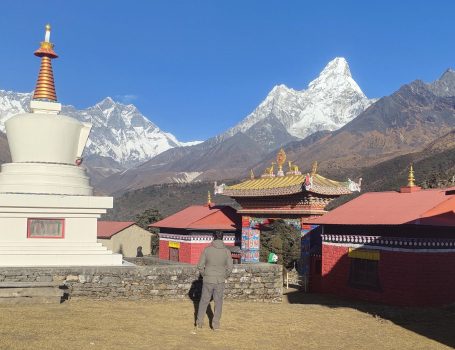
- Visit the iconic Tengboche Monastery, the largest and most important Buddhist monastery in the Everest region.
- Discover authentic Sherpa culture, ancient monasteries, traditional mountain villages, prayer flags, mani walls, and warm Himalayan hospitality.
- Walk alongside the magnificent Khumbu Glacier and the world's largest glacier in Nepal, the Ngozumpa Glacier.
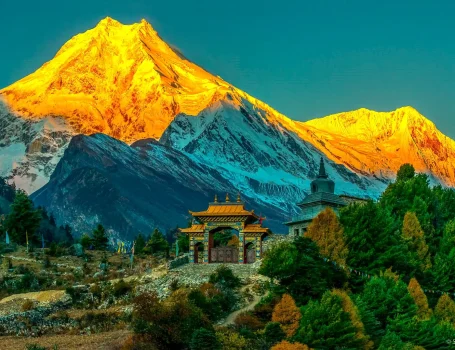
- Enjoy breathtaking views of Everest, Lhotse, Nuptse, Ama Dablam, Makalu, Cho Oyu, Thamserku, Pumori, Cholatse, and many other Himalayan giants.
- Experience the vibrant mountain town of Namche Bazaar, the gateway to Everest and the cultural hub of the Khumbu region.
- Trek through remote valleys and peaceful trails far less crowded than the classic Everest Base Camp route.
- Challenge yourself on one of Nepal's most rewarding and complete high-altitude trekking adventures.
- Celebrate an unforgettable Himalayan journey filled with adventure, culture, glaciers, alpine lakes, and world-class mountain scenery.
Cross Nepal’s three great Himalayan passes in one journey, and see Everest Base Camp, Gokyo Lakes and Kala Patthar on a single circuit through the Khumbu.
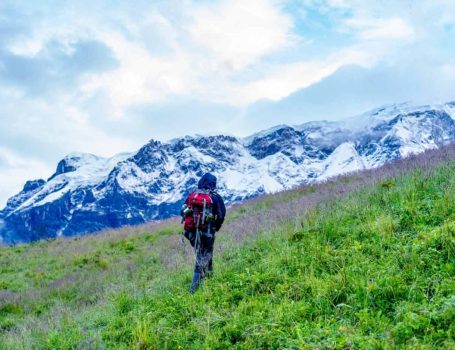
The Everest Three Passes Trek is considered one of the most adventurous and complete trekking experiences in the Himalayas. Unlike the standard Everest Base Camp route, this trek takes travellers through remote valleys, high mountain passes, traditional Sherpa villages, glaciers, alpine lakes, and some of the most spectacular viewpoints in Nepal. It is an ideal journey for trekkers seeking a challenging adventure, incredible Himalayan scenery, and cultural experiences.
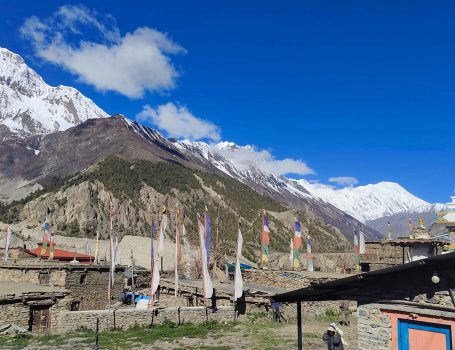
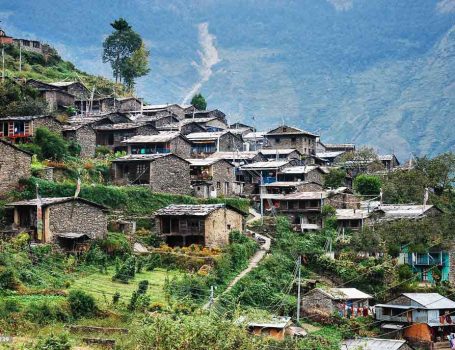
The trek begins in Kathmandu before a scenic mountain flight to Lukla, the gateway to the Everest region. From Lukla, the trail follows the beautiful Dudh Koshi Valley through forests of pine and rhododendron, crossing suspension bridges decorated with colourful prayer flags. Trekkers pass through traditional Sherpa villages where local culture, Buddhist traditions, and mountain hospitality become an important part of the journey.
One of the first major highlights is Namche Bazaar, the main trading center of the Khumbu region. Surrounded by mountains and lively with trekkers, cafés, bakeries, and local markets, Namche is the perfect place for acclimatization. Short hikes around Namche provide stunning views of Mount Everest, Ama Dablam, and other Himalayan peaks while helping the body adjust to higher altitude.
As the trek continues, the landscape slowly changes from green forests to rugged alpine terrain. The trail passes famous villages such as Tengboche and Dingboche, where trekkers experience traditional Sherpa life and Buddhist culture. Tengboche Monastery, the largest monastery in the Everest region, is one of the spiritual highlights of the trek, offering peaceful surroundings and unforgettable mountain views.
The adventure becomes more challenging as trekkers move toward the first high pass, Kongma La Pass (5,535m). Crossing this pass is physically demanding because of the steep rocky trails and thin mountain air, but the panoramic views of glaciers, ice lakes, and Himalayan peaks make the effort worthwhile. This section of the trek feels remote and wild, far away from busy settlements and modern life.
After crossing Kongma La, trekkers continue toward Everest Base Camp, one of the most famous trekking destinations in the world. Walking across the rocky Khumbu Glacier and finally standing at the base of the world’s highest mountain is an emotional and unforgettable experience. The nearby hike to Kala Patthar provides the best close-up views of Everest, especially during sunrise when golden light reflects over the snow-covered peaks.
The trek then continues across another famous high pass, Cho La Pass (5,420m), which connects the Everest Base Camp route with the peaceful Gokyo Valley. This section is known for its icy terrain, glacier views, and dramatic mountain scenery. Although challenging, it is one of the most rewarding parts of the trek.
The beautiful Gokyo Valley is another major highlight of the Everest Three Passes Trek. The turquoise Gokyo Lakes, surrounded by glaciers and towering peaks, create one of the most beautiful landscapes in Nepal. A hike to Gokyo Ri offers panoramic views of Everest, Lhotse, Makalu, and Cho Oyu, along with the massive Ngozumpa Glacier. Many trekkers consider this viewpoint even more beautiful than Kala Patthar.
The final major challenge is crossing Renjo La Pass (5,360m), which offers some of the finest mountain views of the entire trek. From the top of the pass, trekkers can see the Gokyo Lakes below and long stretches of Himalayan peaks in every direction. The descent toward Lungden and Thame passes through quiet villages and peaceful valleys rarely visited by large trekking groups.
Besides natural beauty and adventure, the Everest Three Passes Trek also offers a deep cultural experience. Trekkers stay in traditional teahouses, enjoy local Sherpa hospitality, and experience Buddhist traditions through monasteries, prayer flags, mani walls, and ancient mountain villages. The journey provides a perfect balance of adventure, scenery, and cultural discovery. Overall, the Everest Three Passes Trek is one of the most rewarding trekking adventures in Nepal. Combining Everest Base Camp, Gokyo Valley, three high mountain passes, glaciers, lakes, and Sherpa culture, this trek offers the ultimate Himalayan experience for trekkers seeking both challenge and unforgettable natural beauty.
Why Choose Everest Three Passes Trek?
- The complete Khumbu circuit: Everest Base Camp, Kala Patthar, Chhukung Ri, the Gokyo Lakes and Gokyo Ri, all in one trek.
- Three high passes: Kongma La (5,535 m), Cho La (5,420 m) and Renjo La (5,360 m), with glacier crossings and big mountain scenery.
- Quieter trails: Once you leave the main Base Camp route, the Chhukung, Dzongla and Gokyo sections see far fewer trekkers.
- Four 8,000 m giants: Everest, Lhotse, Makalu and Cho Oyu are all in view along the route.
- Sherpa culture: Monasteries, Namche Bazaar, Tengboche and Khumjung, with local guides and porters who know the terrain.
- Built-in acclimatization: The itinerary includes rest days at Namche and Dingboche. It is an unhurried plan for those who want to complete the passes.
Cost Of Everest Three Passes Trek
- Indicative price: From US$ 1,650 per person (a group of 2 or more). The exact price varies with group size, season, Lukla flight choice and lodge standard. (Update to your current rate.)
- Typically included: Airport transfers, Kathmandu hotel, Lukla flights, permits, an English-speaking licensed guide, porters, lodge accommodation, meals during the trek, and a farewell dinner.
- Typically not included: International flights, Nepal visa, travel insurance with helicopter evacuation, personal gear, tips, drinks, hot showers, battery charging and Wi-Fi.
Difficulty In Everest Three Passes Trek
Strenuous to challenging. This is one of the toughest classic treks in Nepal.
- 17–20 days of walking, typically 5–8 hours a day.
- Steep, rocky ascents and descents on pass days, some over glacier moraine or snow.
- Some days start before dawn to cross a pass before the afternoon winds.
- Good fitness and previous multi-day trekking experience are strongly recommended. Technical climbing skills are not required, but microspikes may be needed in snow or ice.
Altitude Info Of Everest Three Passes Trek
- Highest point of the trek: Kongma La at 5,535 m. Kala Patthar (5,644 m) is the highest point if you include it.
- Other highlights: Everest Base Camp (5,364 m), Cho La (5,420 m), Renjo La (5,360 m), Gokyo Ri (5,357 m).
- Starting point: Lukla at 2,860 m.
- Acclimatization: Rest days at Namche Bazaar and Dingboche, plus the “climb high, sleep low” principle. Altitude sickness is possible for anyone. Your guide will monitor everyone daily.
Best Time For Everest Three Passes Trek
- Spring (March to May): Stable weather, blooming rhododendrons and clear mountain views.
- Autumn (late September to November): The most popular season, with crisp air and excellent visibility. October and early November are usually the best.
- Avoid: Monsoon (June to August) brings rain, cloud and flight disruption. Winter (December to February) is very cold, and the passes may be snowbound and unsafe.
Permits Required For Everest Three Passes Trek
Two permits are required for this trek:
- Sagarmatha National Park entry permit: NPR 3,000 (about US$ 25–30) for foreigners, collected once on entry.
- Khumbu Pasang Lhamu Rural Municipality permit: a local entry fee of between NPR 2,000 and 3,000, which is issued in Lukla.
A TIMS card is no longer required in the Everest/Khumbu region. We arrange all permits for you as part of the package. Fees can change, so we confirm the current rates at booking.
Accommodation In Everest Three Passes Trek
- Kathmandu: A comfortable 3-star hotel (twin sharing) before and after the trek.
- On the trek: Teahouse lodges run by local families. Rooms are twin-bedded with basic mattresses and blankets, with shared bathrooms in most villages.
- At high altitude: Lodges become simpler and colder above Dzongla and Gokyo. Bring a warm sleeping bag rated to at least -15°C. We can provide one on request.
- Single supplement: Available in Kathmandu. Single rooms on the trek depend on availability.
Meals In Everest Three Passes Trek
- On the trek: Breakfast, lunch and dinner are included, ordered from teahouse menus.
- Typical dishes: Dal bhat (rice, lentils and vegetables, often with refills), noodles, momos, soups, pasta, eggs, porridge and Tibetan bread.
- Drinks: Hot tea, coffee and boiled water are available. We recommend purified water, using tablets or a filter, to cut plastic waste.
- Dietary needs: Vegetarian options are widely available. Let us know about other requirements, such as vegan or gluten-free, in advance.
- Higher up: Menu choices narrow with altitude, and prices rise.
Transportation Facilities In Everest Three Passes Trek
- Airport transfers: Private vehicle between Tribhuvan International Airport and your hotel.
- Kathmandu to Lukla and back: Domestic flight (about 35–40 minutes), often from Ramechhap during the busy seasons. Flights depend on weather, so we advise keeping 1–2 spare days in your schedule.
- Optional heli return: A helicopter back from Gokyo or Lukla is available if you want to shorten the return or if flights are cancelled.
Safety Information
- Experienced guides: Licensed, first-aid trained and experienced in altitude management. They monitor each trekker’s condition every day.
- Pass-day decisions: We turn back or change plans if there is heavy snow, strong winds or poor visibility.
- Insurance: Travel insurance covering trekking up to 6,000 m and emergency helicopter evacuation is mandatory.
- Emergency plan: We keep contact with the helicopter evacuation service and our Kathmandu office throughout the trip.
- Know the symptoms: Headache, nausea, dizziness, loss of appetite and unusual fatigue should be reported to your guide immediately. Descending is the only effective treatment for serious altitude sickness.
- Pack well: Warm layers, a windproof shell, gloves, sunglasses with UV protection, trekking poles, and microspikes for icy sections.
Responsible Tourism
- Leave no trace: We carry out non-biodegradable waste and avoid single-use plastic. Use refill points and purification instead of bottled water.
- Respect local culture: Walk clockwise around mani stones and stupas, ask before photographing people, and dress modestly in villages and monasteries.
- Support local people: We hire local guides and porters, pay fair wages, and provide proper gear and insurance. Each porter carries a reasonable weight limit.
- Protect the park: Stay on marked trails, do not disturb wildlife, and never leave fires or litter.
- Spend locally: Staying in family-run lodges and buying from local shops puts income back into Khumbu communities.
Book / Enquire
Ready to cross the three passes?
Dates are filling up for the spring and autumn seasons. Contact us for a custom itinerary, a group departure or a private trek.