Helambu Trek

350

Trip Facts

  • Duration 5 Days
  • Trip Difficulty moderate
  • Max. Altitude 3597 m
  • Start and End Kathmandu - Kathmandu
  • Best Time All seasons
  • Accommodation Tea House

Trip Highlights

  • Spectacular views of Langtang, Ganesh Himal, and Dorje Lakpa
  • Immersion in the traditional culture and lifestyles of Tamang communities
  • Trekking through lush rhododendron forests and charming villages
  • Panoramic mountain vistas and serene landscapes
  • Interaction with local communities and experiencing their warm hospitality
  • Ancient monasteries, prayer flags, and spiritual enlightenment
  • Unforgettable trekking experience in the beautiful Helambu region of Nepal

Walk through Sherpa villages, rhododendron forests and Himalayan ridgelines, just a short drive from Kathmandu, on one of Nepal’s most accessible and least crowded treks.

The Helambu Trek is one of the most accessible and culturally rich trekking routes near Kathmandu. Located within the protected region of Shivapuri Nagarjun National Park and extending into the Helambu highlands, this trek is ideal for those seeking a short Himalayan experience that blends natural beauty, Buddhist culture, and peaceful mountain villages. Unlike more crowded trekking regions, Helambu offers quieter trails, gentle elevations, and authentic village life.

The journey begins in Kathmandu, where trekkers arrive and prepare for the adventure ahead. After a briefing and final preparations, the trek starts with a short drive to Sundarijal, the gateway to the trail. From here, trekkers immediately enter lush forest terrain filled with waterfalls, stone stairways, and flowing streams. The initial ascent passes through dense woodland inside Shivapuri Nagarjun National Park, a biodiversity-rich area that provides a refreshing contrast to the urban environment of Kathmandu. The first destination, Chisapani, is a ridge-top settlement known for its panoramic sunrise and sunset views over the Himalayan range, including distant views of Langtang and Ganesh Himal.

From Chisapani, the trail continues deeper into the hills, passing through forested ridges, small Tamang villages, and terraced farmland. This section of the trek is characterized by peaceful surroundings and moderate ups and downs, making it an enjoyable walking experience. The region’s natural beauty is enhanced by rhododendron and oak forests, which are especially vibrant during the spring season. Wildlife such as Himalayan birds and monkeys are commonly seen along the trail. Eventually, trekkers reach Kutumsang, a quiet hillside village surrounded by forests and offering a calm overnight stop.

The next stage of the journey involves a steady climb toward Tharepati, one of the highest points on the Helambu trail. As altitude increases, the landscape transforms significantly. Dense forests give way to open ridges and alpine terrain. The trail becomes steeper and more demanding, but the reward is stunning panoramic views of snow-capped peaks such as Langtang Lirung, Dorje Lakpa, and surrounding Himalayan ranges. Tharepati offers a remote and scenic atmosphere, making it one of the most memorable stops of the trek.

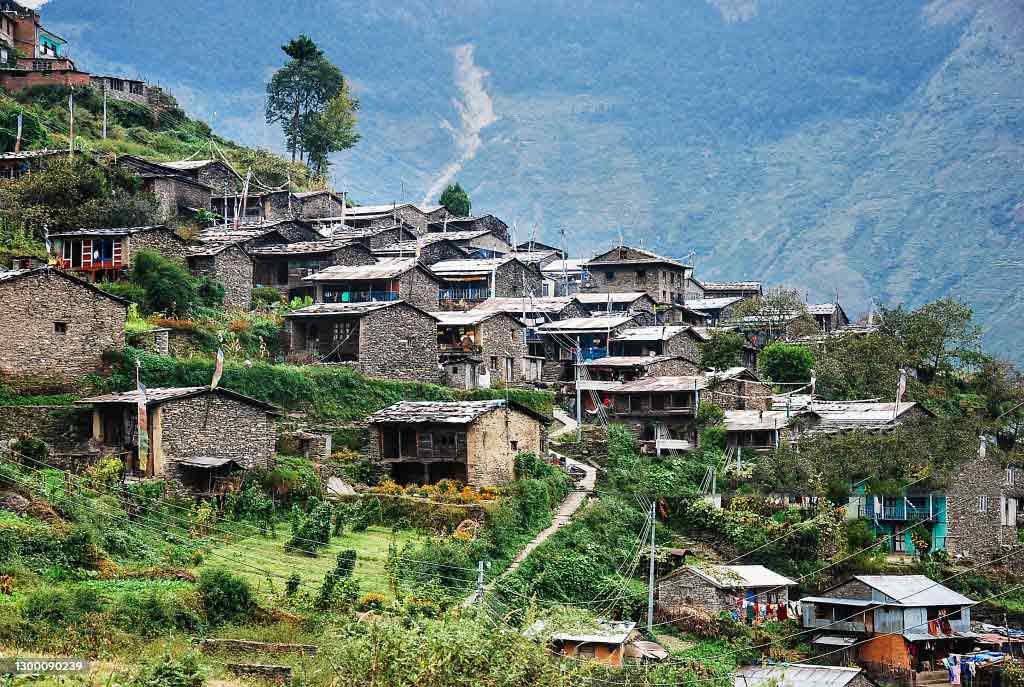
From Tharepati, the route descends into the culturally rich Helambu region. This area is home to the Hyolmo (Helambu Sherpa) community, known for their deep-rooted Buddhist traditions and unique mountain culture. As trekkers descend, the environment becomes greener and more populated, with terraced fields, monasteries, prayer wheels, and mani walls lining the trail. The villages in this region reflect a strong cultural identity, where traditional lifestyles continue alongside farming and animal husbandry.

Tarke Gyang is one of the most important villages in Helambu. It is known for its historic monastery, traditional stone houses, and warm hospitality. The village provides an excellent opportunity to experience local culture up close. The spiritual atmosphere, combined with mountain scenery, creates a peaceful and immersive trekking experience.

The trek continues toward Sermathang, a gentle and scenic village surrounded by rolling hills and farmland. This section of the journey is less strenuous and allows trekkers to relax while enjoying wide Himalayan views and observing rural life. The Buddhist influence remains strong, with monasteries and religious monuments present throughout the area.

The final trekking day leads down to Melamchi Bazaar, marking the end of the trail. The descent passes through forests and villages, gradually transitioning from highland landscapes to lower, more populated areas. From Melamchi Bazaar, trekkers drive back to Kathmandu, enjoying scenic views of rivers, hills, and countryside along the way. Returning to the capital provides time to rest and reflect on the journey.

Overall, the Helambu Trek is a perfect short Himalayan adventure that combines nature, culture, and accessibility. With moderate altitude, peaceful trails, and rich Buddhist heritage, it is suitable for beginners as well as experienced trekkers looking for a relaxing yet rewarding experience. The trek offers a beautiful balance of forests, mountain views, traditional villages, and cultural immersion, making it one of the most enjoyable trekking routes close to Kathmandu.

Why Choose Helambu Trek?

Helambu is a good choice if you want a real Himalayan trek without a long flight or a high-altitude push.

  • Close to Kathmandu: The trek starts at Sundarijal, about an hour’s drive from the city, so no domestic flights are needed.
  • Sherpa and Tamang culture: Walk through Yolmo (Helambu Sherpa) villages such as Tarkeghyang and Sermathang. You will pass Buddhist monasteries, prayer flags and mani walls, and can taste local food and the region’s well-known apple products.
  • Mountain views: On clear days you can see Langtang Lirung, Dorje Lakpa, Gosainkunda peaks and the Jugal Himal range.
  • Quiet trails: Helambu sees far fewer trekkers than Everest or Annapurna, so the trails and lodges are peaceful.
  • Forests and wildlife: The route passes through Shivapuri Nagarjun National Park, with oak, pine and rhododendron forest and good birdwatching.
  • Flexible and year-round: It suits first-time trekkers and families, and it can be shortened, or extended to Gosainkunda Lake or Langtang.

Outline Itinerary

Day 01 – Arrival in Kathmandu (1,350m)

Day 02 – Drive to Sundarijal & Trek to Chisapani (2,165m) – 4–5 Hours Trek

Day 03 – Trek to Kutumsang (2,470m) – 6–7 Hours Trek

Day 04 – Trek to Tharepati (3,650m) – 5–6 Hours Trek

Day 05 – Trek to Tarke Gyang (2,590m) – 6–7 Hours Trek

Day 06 – Trek to Sermathang (2,610m) – 4–5 Hours Trek

Day 07 – Trek to Melamchi Bazaar & Drive to Kathmandu – 5–6 Hours Trek + 3–4 Hours’ Drive

Day 08 – Final Departure

Difficulty In Helambu Trek

Easy to moderate. Helambu suits beginners with reasonable fitness. You will walk about 5–7 hours a day on forest trails and stone steps, with some steep climbs and descents, particularly the first day’s climb from Sundarijal to Chisapani and the ascent to Tharepati. No technical skills or previous trekking experience are required. Starting some light cardio exercise (walking, hiking, cycling) a few weeks before the trip will make the trek more enjoyable.

Altitude Info Of Helambu Trek

  • Sundarijal: about 1,460 m
  • Chisapani: about 2,160 m
  • Kutumsang: about 2,470 m
  • Tharepati: about 3,640 m (highest point on the standard route)
  • Tarkeghyang: about 2,600 m
  • Melamchi Bazaar: about 870 m

The maximum altitude is moderate, so the risk of altitude sickness is lower than on higher treks, but it is still possible. Our guides will monitor everyone and build in gradual acclimatisation. Extensions towards Gosainkunda reach much higher altitudes.

Best Time For Helambu Trek

  • Autumn (September to November): The best season, with clear skies, stable weather and excellent mountain views.
  • Spring (March to May): Warm days and rhododendron forests in bloom.
  • Winter (December to February): Cold, especially above Kutumsang, but dry and clear, and very quiet. Snow is possible around Tharepati.
  • Summer/Monsoon (June to August): Not recommended. Rain, leeches, slippery trails and cloudy views are common, and landslides can affect roads and trails.

Permits Required For Helambu Trek

  • Shivapuri Nagarjun National Park entry permit
  • TIMS (Trekkers’ Information Management System) card
  • Local area/rural municipality permit where applicable (and a Langtang National Park permit if your route extends into Langtang or Gosainkunda)

We arrange all permits for you. You will need to provide your passport copy and passport-size photographs. Permit requirements and fees are set by the Nepal government and local authorities and can change, so we confirm the current requirements at the time of booking.

Accommodation In Helambu Trek

In Kathmandu, we arrange hotels (3-star or above on request). On the trek, you will stay in simple tea houses and lodges run by local families. Rooms are basic twin-sharing with beds, blankets and pillows, and bathrooms are usually shared. Hot showers and electricity charging may be available for an extra fee. We recommend bringing a warm sleeping bag, especially in autumn and winter. In Tarkeghyang and Sermathang you may also find a few more comfortable lodges and homestay-style stays.

Meals In Helambu Trek

Three meals a day are provided on the trek. Breakfast usually includes eggs, toast, porridge, pancakes or Tibetan bread with tea or coffee. For lunch and dinner you can choose dal bhat (rice, lentils, vegetables), noodles, momos, soups, fried rice, pasta and potatoes. Dal bhat is nutritious, with free refills, and is a good choice for energy. Vegetarian options are widely available. We recommend drinking boiled, filtered or treated water, avoiding meat at higher altitude lodges, and telling us about any food allergies in advance.

Transportation Facilities In Helambu Trek

  • Airport pickup and drop-off in a private vehicle
  • Private car, jeep or local bus from Kathmandu to Sundarijal (about 1 hour) at the start
  • Private or shared jeep from Melamchi Bazaar back to Kathmandu (about 3–4 hours depending on road conditions) at the end

Road conditions on the Melamchi side can change with the weather, so we plan transfers with flexibility. Helicopter transport is available as an optional extra for those who want to shorten the trip.

Safety Information

  • Your guide leads the group, checks everyone’s condition each day and decides on pace and route changes if the weather or trail is unsafe.
  • Learn the early signs of altitude sickness (headache, nausea, dizziness, poor sleep) and tell your guide immediately. Do not ignore symptoms.
  • Walk slowly, drink plenty of water and never ascend if symptoms are getting worse.
  • Be careful on steep, slippery stone steps and on trails after rain, and during the monsoon be aware of landslides and leeches.
  • Comprehensive travel insurance covering trekking up to 4,000 m and emergency helicopter evacuation is required.
  • Our guides carry a first-aid kit and keep contact with our Kathmandu office throughout the trek.
  • Mobile network and internet are limited in some places, so we plan check-ins in advance.

Responsible Tourism

We run our treks to benefit the local communities and protect the mountain environment.

  • Hire local guides and porters, and pay fair wages with proper insurance and equipment
  • Stay and eat in local lodges so money stays in the villages
  • Carry out your rubbish, avoid single-use plastic and use refillable bottles
  • Respect local culture: ask before taking photos, dress modestly, walk clockwise around stupas and mani walls
  • Stay on marked trails and do not disturb wildlife, plants or water sources
  • Limit use of firewood and hot water in tea houses to reduce pressure on forests

Book / Enquire

Ready to trek Helambu? Contact us today to book your trek or ask for a free, customised itinerary. Whether you want a short 5-day trip, a standard 7-day trek or an extension to Gosainkunda or Langtang, our team will plan it around your dates, budget and fitness.

💬 Enquire on WhatsApp

Detailed Itinerary

  • Day 01 – Arrival in Kathmandu (1,350m)

    Upon arrival at Tribhuvan International Airport in Kathmandu, you will be received by your trekking team and transferred to your hotel. The drive into the city immediately introduces you to Nepal’s vibrant mix of ancient culture, busy streets, temples, and trekking atmosphere.
    After check-in, you can rest or explore Thamel, the main tourist hub known for trekking shops, restaurants, and gear rental services. This is also a good time for final preparation, exchanging money, and checking equipment.
    In the evening, a detailed briefing will be conducted covering the trek route, altitude gain, weather conditions, safety precautions, and daily walking expectations. All permits for Shivapuri Nagarjun National Park will be arranged. Overnight stay in Kathmandu.

    Altitude: 1350 M
    Meals: N/A
    Accommodation: Hotel
  • Day 02 – Drive to Sundarijal & Trek to Chisapani (2,165m) – 4–5 Hours Trek

    After breakfast, a short drive takes you to Sundarijal, the gateway to the Helambu route. From here, you enter the protected forest area of Shivapuri Nagarjun National Park, known for its rich biodiversity, waterfalls, and peaceful jungle trails.
    The trek begins with stone steps and a steady climb through dense forest. You pass waterfalls, water pipelines, and small hydro stations before entering quieter woodland paths. The trail is shaded and refreshing, especially in the morning.
    As you ascend, occasional viewpoints open up toward the Kathmandu Valley, offering a contrast between city life and mountain wilderness. By late afternoon, you reach Chisapani, a ridge-top village famous for sunrise and sunset views over the Himalayas, including Langtang, Ganesh Himal, and even distant Everest region peaks on clear days. Overnight stay at Chisapani.

    Altitude: 2165 M
    Meals: B, L, D
    Accommodation: Lodge/Teahouse
  • Day 03 – Trek to Kutumsang (2,470m) – 6–7 Hours Trek

    Today’s trek begins with stunning morning views from Chisapani. The trail moves through forested ridges and rolling hills, offering a peaceful walking experience away from crowds.
    You pass through small villages inhabited mainly by Tamang communities, where traditional farming and simple mountain lifestyles are visible. The path includes both ascents and descents, making it a moderately challenging day.
    Along the way, you enjoy views of green valleys, distant snow peaks, and dense forests of oak and rhododendron. Wildlife such as monkeys and Himalayan birds are commonly seen in this region.
    By afternoon, you reach Kutumsang, a quiet hillside village surrounded by forests and terraced fields. It offers basic tea houses and a calm environment for overnight rest.

    Altitude: 2470 M
    Meals: B, L, D
    Accommodation: Lodge/Teahouse
  • Day 04 – Trek to Tharepati (3,650m) – 5–6 Hours Trek

    After breakfast, the trail becomes steeper as you gain significant altitude. You enter dense rhododendron and pine forests, especially beautiful during spring when flowers bloom across the hills.
    The climb is steady but rewarding, with increasing views of Langtang Himal, Dorje Lakpa, and surrounding peaks. As you approach higher elevations, the vegetation becomes sparse and the landscape more rugged.
    Tharepati is located on a high ridge and is one of the most scenic viewpoints of the entire Helambu region. The area feels remote, windy, and peaceful, offering panoramic Himalayan views and a true mountain experience. Overnight stay at Tharepati.

    Altitude: 3650 M
    Meals: B, L, D
    Accommodation: Lodge/Teahouse
  • Day 05 – Trek to Tarke Gyang (2,590m) – 6–7 Hours Trek

    The day begins with a long descent from Tharepati into greener valleys. The trail passes through forests, rocky ridges, and small shepherd settlements.
    As you descend further, the cultural landscape becomes more prominent. You enter the Helambu region, home to the Hyolmo (Helambu Sherpa) community, known for their Tibetan-influenced Buddhist traditions.
    You pass monasteries, prayer wheels, mani walls, and traditional stone houses. Villages become more frequent and welcoming, offering a glimpse into authentic mountain life.
    By late afternoon, you arrive at Tarke Gyang, one of the largest and most culturally significant villages in Helambu. It is known for its ancient monastery, traditional architecture, and friendly local community. Overnight stay at Tarke Gyang.

    Altitude: 2590
    Meals: B, L, D
    Accommodation: Lodge/Teahouse
  • Day 06 – Trek to Sermathang (2,610m) – 4–5 Hours Trek

    Today’s trek is easier and more relaxed, passing through beautiful forests, terraced fields, and cultural settlements. The trail is scenic and peaceful, with fewer steep sections.
    You continue through Hyolmo villages, where Buddhist culture is deeply rooted in daily life. Prayer flags, chortens, and small monasteries are common along the way.
    The views open up to rolling hills and distant Himalayan peaks. Farming life is visible in the terraced fields, adding cultural depth to the journey.
    By afternoon, you reach Sermathang, a quiet and scenic village known for its monastery and wide Himalayan views. It is a perfect place to relax and reflect. Overnight stay at Sermathang.

    Altitude: 2610 M
    Meals: B, L, D
    Accommodation: Lodge/Teahouse
  • Day 07 – Trek to Melamchi Bazaar & Drive to Kathmandu – 5–6 Hours Trek + 3–4 Hours’ Drive

    After breakfast, the trail descends gradually toward Melamchi Bazaar. The landscape becomes warmer and more populated as you move down from the mountains.
    You pass through forests, villages, and farmland, experiencing the transition from highland culture to lowland lifestyle. Local markets and rural settlements add vibrancy to the route.
    Melamchi Bazaar marks the end of the trekking trail. From here, you drive back to Kathmandu through scenic countryside roads, rivers, and hills.
    After reaching Kathmandu, you can rest or explore the city. Many trekkers enjoy a farewell dinner in Thamel, celebrating the completion of the journey. Overnight stay in Kathmandu.

    Altitude: 1350 M
    Meals: N/A
    Accommodation: Hotel
  • Day 08 – Final Departure

    Depending on your flight schedule, you may have free time for shopping or short sightseeing in Kathmandu. Popular options include visiting cultural sites, buying souvenirs, or relaxing in cafés.
    Later, you will be transferred to Tribhuvan International Airport for your departure, concluding your Helambu Trek experience with lasting memories of forests, mountains, villages, and Himalayan culture.

What's included

  • Drive to Sundarijal to Kathmandu by local bus/jeep (group sharing basis)
  • Drive to Kathmandu from Sermanthang by local bus/jeep (group sharing basis)
  • Clean Teahouse/ lodge accommodations during the treks
  • Meals while on the treks (breakfast, lunch, dinner)
  • Experienced English-speaking trekking guide
  • First aid kit
  • All taxes and service charge
  • Shivapuri National Park entrance permit, Langtang National Park permits.

What's not included

  • Accommodation in Kathmandu.
  • Supporting staff (2 trekkers-1 supporting staff).
  • Personal expenses such as laundry, telephone calls, shower, hot water, sweets, snacks, tips etc.
  • All bar and beverage bills.
  • Travel insurance.
  • Personal trekking equipment
  • Any loss arising due to unforeseen circumstances that is beyond our control.
  • Tips for guide, driver and supporting staffs.

Equipment

Clothing

  • Moisture-wicking base layers and trekking shirts
  • Fleece or insulated jacket and a down jacket (for cold months)
  • Waterproof and windproof jacket and trousers
  • Trekking trousers, thermal underwear
  • Warm hat, sun hat, gloves, buff

Footwear

  • Broken-in trekking boots with ankle support
  • Camp shoes or sandals, and trekking socks (several pairs)

Equipment

  • Sleeping bag (comfort rated to about -10°C), which we can provide on request
  • Daypack (25–35 L), trekking poles, headlamp with spare batteries
  • Reusable water bottle and water purification tablets or filter
  • Sunglasses, sunscreen, lip balm

Personal items

  • Basic first-aid kit and personal medication
  • Toiletries, quick-dry towel, toilet paper and hand sanitiser
  • Power bank and plug adaptor, cash in Nepali rupees, passport and copies, travel insurance papers

FAQs of Helambu Trek

  • 1. What is the Helambu Trek?

    The Helambu Trek is a short and scenic trekking route near Kathmandu that passes through beautiful Sherpa and Tamang villages, lush forests, and peaceful hill landscapes. It is known for its cultural richness, moderate difficulty, and easy accessibility.
  • 2. How difficult is the Helambu Trek?

    The Helambu Trek is considered easy to moderate. It does not reach extremely high altitudes like Everest or Annapurna high passes, making it suitable for beginners, families, and older trekkers.
  • 3. What is the maximum altitude of the trek?

    The highest point of the Helambu Trek is around 3,600 meters (at Tharepati region). Most of the trail stays between 1,500m and 3,500m, so altitude sickness risk is relatively low.
  • 4. How many days does the Helambu Trek take?

    The trek usually takes 5 to 8 days, depending on the starting point (Sundarijal or Melamchi Gaon) and itinerary style.
  • 5. What is special about Helambu Trek?

    The Helambu region is known for: • Beautiful Sherpa people culture • Peaceful forest trails near Kathmandu • Less crowded trekking routes • Traditional Buddhist monasteries and villages • Stunning views of Langtang and Ganesh Himal ranges
  • 6. Is the Helambu Trek crowded?

    No. It is one of the less crowded trekking routes near Kathmandu, making it ideal for peaceful trekking and cultural experiences.
  • 7. What type of accommodation is available?

    Accommodation is mainly in simple teahouses and local lodges. Rooms are basic, usually twin-sharing, with common dining areas and shared bathrooms in most villages.
  • 8. What kind of food is available?

    You will find fresh homemade meals such as: • Dal Bhat (rice, lentils, vegetables) • Noodles and fried rice • Eggs and potatoes • Tea, coffee, and local snacks Food is simple but filling and hygienic.
  • 9. What are the main highlights of the Helambu Trek?

    Key highlights include: • Shivapuri National Park forest trails • Traditional Hyolmo and Sherpa villages • Rhododendron and pine forests • Panoramic views of Himalayas • Cultural monasteries and prayer flags
  • 10. What is the best time for Helambu Trek?

    The best seasons are: • Spring (March–May): Flowers and clear views • Autumn (September–November): Best weather and visibility Winter is cold but possible, and monsoon season is green but slippery.
  • 11. Is altitude sickness a problem on this trek?

    Altitude sickness is rare because the trek does not go very high compared to other Himalayan treks. However, basic acclimatization and hydration are still recommended.
  • 12. Do I need permits for Helambu Trek?

    Yes. You typically need: • Langtang National Park Entry Permit (for certain routes via Shivapuri/Langtang region access) • Local area or conservation entry fees depending on the route
  • 13. Can beginners do the Helambu Trek?

    Yes, it is one of the best beginner-friendly treks in Nepal. No technical skills are required, and walking hours are manageable.
  • 14. Is mobile network and internet available?

    Yes. Since the trek is close to Kathmandu: • Mobile network works in many sections • Some lodges offer WiFi (usually limited) Connectivity is much better compared to remote trekking regions.
  • 15. Why choose Helambu Trek over other short treks?

    Helambu is ideal because it offers: • Quick escape from Kathmandu • Cultural villages + nature combined • Less tourist crowd • Easy to moderate trekking difficulty • Flexible itinerary options

What Other Travellers' Say

Trip You May Like

Handpicked adventures tailored for you—explore trips that match your travel spirit and curiosity.
Tamang Heritage Trail Trek

Tamang Heritage Trail Trek

Duration: 9 Days Trekking
Around Manaslu Trek

Around Manaslu Trek

Duration: 14 Days Trekking
upper mustang trekking

Upper Mustang Trekking

Duration: 14 Days Trekking
Annapurna Base Camp Trek

Annapurna Base Camp Trek

Duration: 12 Days Trekking
Salleri to Everest Base Camp Trek

Salleri to Everest Base Camp Trek

Duration: 15 Days Trekking
Shey Phoksundo Lake Trek

Shey Phoksundo Lake Trek

Duration: 9 Days Trekking

Our Affiliations

We are proudly affilliated with following organizations.

Planning a Trip?

Our travel experts who are working in this industry for more than a decade will help you. Consult to get started.

Meet Our Travel Expert

Dipendra Thapa
Nepal, Tibet and Bhutan