Helambu Trek
350
Trip Facts
- Duration 5 Days
- Trip Difficulty moderate
- Max. Altitude 3597 m
- Start and End Kathmandu - Kathmandu
- Best Time All seasons
- Accommodation Tea House
Trip Highlights
- Spectacular views of Langtang, Ganesh Himal, and Dorje Lakpa
- Immersion in the traditional culture and lifestyles of Tamang communities
- Trekking through lush rhododendron forests and charming villages
- Panoramic mountain vistas and serene landscapes
- Interaction with local communities and experiencing their warm hospitality
- Ancient monasteries, prayer flags, and spiritual enlightenment
- Unforgettable trekking experience in the beautiful Helambu region of Nepal
Walk through Sherpa villages, rhododendron forests and Himalayan ridgelines, just a short drive from Kathmandu, on one of Nepal’s most accessible and least crowded treks.
The Helambu Trek is one of the most accessible and culturally rich trekking routes near Kathmandu. Located within the protected region of Shivapuri Nagarjun National Park and extending into the Helambu highlands, this trek is ideal for those seeking a short Himalayan experience that blends natural beauty, Buddhist culture, and peaceful mountain villages. Unlike more crowded trekking regions, Helambu offers quieter trails, gentle elevations, and authentic village life.
The journey begins in Kathmandu, where trekkers arrive and prepare for the adventure ahead. After a briefing and final preparations, the trek starts with a short drive to Sundarijal, the gateway to the trail. From here, trekkers immediately enter lush forest terrain filled with waterfalls, stone stairways, and flowing streams. The initial ascent passes through dense woodland inside Shivapuri Nagarjun National Park, a biodiversity-rich area that provides a refreshing contrast to the urban environment of Kathmandu. The first destination, Chisapani, is a ridge-top settlement known for its panoramic sunrise and sunset views over the Himalayan range, including distant views of Langtang and Ganesh Himal.
From Chisapani, the trail continues deeper into the hills, passing through forested ridges, small Tamang villages, and terraced farmland. This section of the trek is characterized by peaceful surroundings and moderate ups and downs, making it an enjoyable walking experience. The region’s natural beauty is enhanced by rhododendron and oak forests, which are especially vibrant during the spring season. Wildlife such as Himalayan birds and monkeys are commonly seen along the trail. Eventually, trekkers reach Kutumsang, a quiet hillside village surrounded by forests and offering a calm overnight stop.
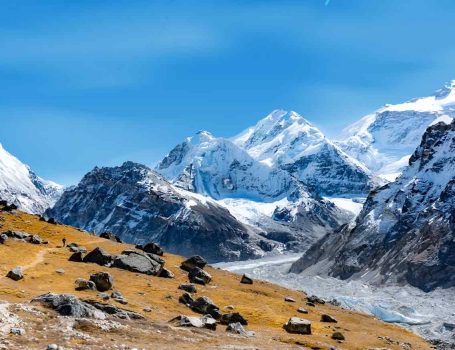
The next stage of the journey involves a steady climb toward Tharepati, one of the highest points on the Helambu trail. As altitude increases, the landscape transforms significantly. Dense forests give way to open ridges and alpine terrain. The trail becomes steeper and more demanding, but the reward is stunning panoramic views of snow-capped peaks such as Langtang Lirung, Dorje Lakpa, and surrounding Himalayan ranges. Tharepati offers a remote and scenic atmosphere, making it one of the most memorable stops of the trek.
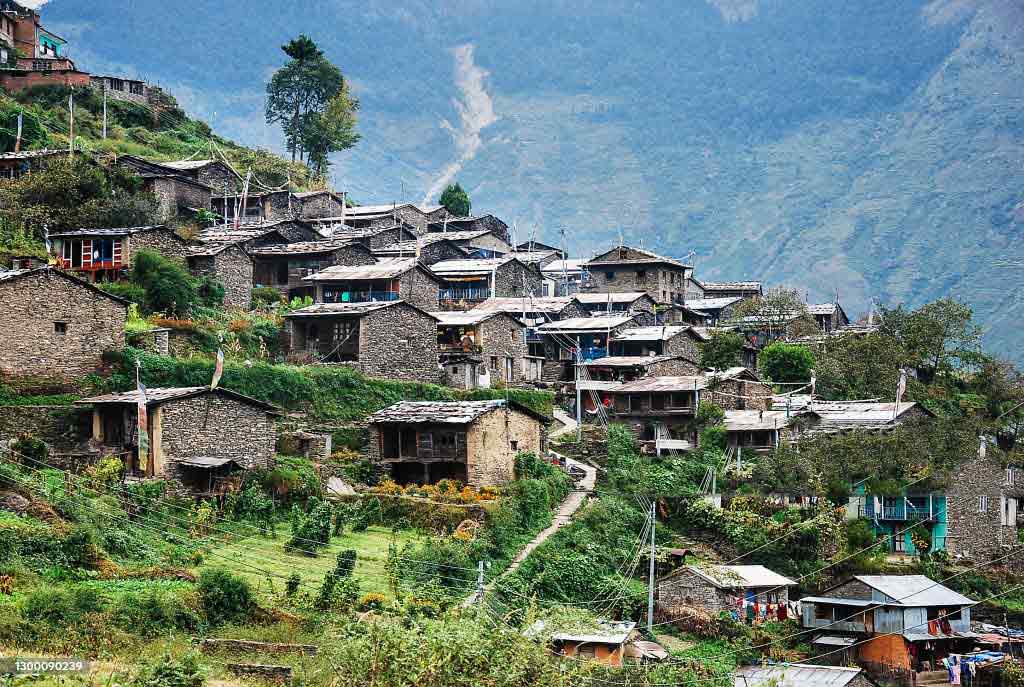
From Tharepati, the route descends into the culturally rich Helambu region. This area is home to the Hyolmo (Helambu Sherpa) community, known for their deep-rooted Buddhist traditions and unique mountain culture. As trekkers descend, the environment becomes greener and more populated, with terraced fields, monasteries, prayer wheels, and mani walls lining the trail. The villages in this region reflect a strong cultural identity, where traditional lifestyles continue alongside farming and animal husbandry.
Tarke Gyang is one of the most important villages in Helambu. It is known for its historic monastery, traditional stone houses, and warm hospitality. The village provides an excellent opportunity to experience local culture up close. The spiritual atmosphere, combined with mountain scenery, creates a peaceful and immersive trekking experience.
The trek continues toward Sermathang, a gentle and scenic village surrounded by rolling hills and farmland. This section of the journey is less strenuous and allows trekkers to relax while enjoying wide Himalayan views and observing rural life. The Buddhist influence remains strong, with monasteries and religious monuments present throughout the area.
The final trekking day leads down to Melamchi Bazaar, marking the end of the trail. The descent passes through forests and villages, gradually transitioning from highland landscapes to lower, more populated areas. From Melamchi Bazaar, trekkers drive back to Kathmandu, enjoying scenic views of rivers, hills, and countryside along the way. Returning to the capital provides time to rest and reflect on the journey.
Overall, the Helambu Trek is a perfect short Himalayan adventure that combines nature, culture, and accessibility. With moderate altitude, peaceful trails, and rich Buddhist heritage, it is suitable for beginners as well as experienced trekkers looking for a relaxing yet rewarding experience. The trek offers a beautiful balance of forests, mountain views, traditional villages, and cultural immersion, making it one of the most enjoyable trekking routes close to Kathmandu.
Why Choose Helambu Trek?
Helambu is a good choice if you want a real Himalayan trek without a long flight or a high-altitude push.
- Close to Kathmandu: The trek starts at Sundarijal, about an hour’s drive from the city, so no domestic flights are needed.
- Sherpa and Tamang culture: Walk through Yolmo (Helambu Sherpa) villages such as Tarkeghyang and Sermathang. You will pass Buddhist monasteries, prayer flags and mani walls, and can taste local food and the region’s well-known apple products.
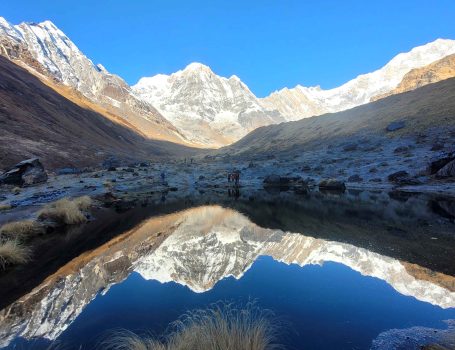
- Mountain views: On clear days you can see Langtang Lirung, Dorje Lakpa, Gosainkunda peaks and the Jugal Himal range.
- Quiet trails: Helambu sees far fewer trekkers than Everest or Annapurna, so the trails and lodges are peaceful.
- Forests and wildlife: The route passes through Shivapuri Nagarjun National Park, with oak, pine and rhododendron forest and good birdwatching.
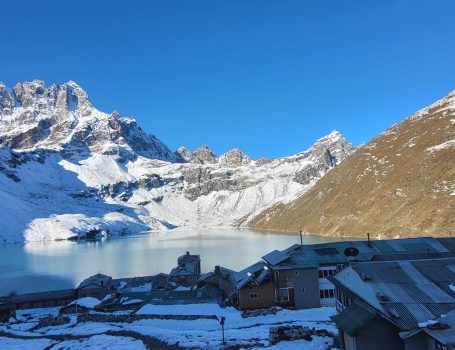
- Flexible and year-round: It suits first-time trekkers and families, and it can be shortened, or extended to Gosainkunda Lake or Langtang.
Outline Itinerary
Day 01 – Arrival in Kathmandu (1,350m)
Day 02 – Drive to Sundarijal & Trek to Chisapani (2,165m) – 4–5 Hours Trek
Day 03 – Trek to Kutumsang (2,470m) – 6–7 Hours Trek
Day 04 – Trek to Tharepati (3,650m) – 5–6 Hours Trek
Day 05 – Trek to Tarke Gyang (2,590m) – 6–7 Hours Trek
Day 06 – Trek to Sermathang (2,610m) – 4–5 Hours Trek
Day 07 – Trek to Melamchi Bazaar & Drive to Kathmandu – 5–6 Hours Trek + 3–4 Hours’ Drive
Day 08 – Final Departure
Difficulty In Helambu Trek
Easy to moderate. Helambu suits beginners with reasonable fitness. You will walk about 5–7 hours a day on forest trails and stone steps, with some steep climbs and descents, particularly the first day’s climb from Sundarijal to Chisapani and the ascent to Tharepati. No technical skills or previous trekking experience are required. Starting some light cardio exercise (walking, hiking, cycling) a few weeks before the trip will make the trek more enjoyable.
Altitude Info Of Helambu Trek
- Sundarijal: about 1,460 m
- Chisapani: about 2,160 m
- Kutumsang: about 2,470 m
- Tharepati: about 3,640 m (highest point on the standard route)
- Tarkeghyang: about 2,600 m
- Melamchi Bazaar: about 870 m
The maximum altitude is moderate, so the risk of altitude sickness is lower than on higher treks, but it is still possible. Our guides will monitor everyone and build in gradual acclimatisation. Extensions towards Gosainkunda reach much higher altitudes.
Best Time For Helambu Trek
- Autumn (September to November): The best season, with clear skies, stable weather and excellent mountain views.
- Spring (March to May): Warm days and rhododendron forests in bloom.
- Winter (December to February): Cold, especially above Kutumsang, but dry and clear, and very quiet. Snow is possible around Tharepati.
- Summer/Monsoon (June to August): Not recommended. Rain, leeches, slippery trails and cloudy views are common, and landslides can affect roads and trails.
Permits Required For Helambu Trek
- Shivapuri Nagarjun National Park entry permit
- TIMS (Trekkers’ Information Management System) card
- Local area/rural municipality permit where applicable (and a Langtang National Park permit if your route extends into Langtang or Gosainkunda)
We arrange all permits for you. You will need to provide your passport copy and passport-size photographs. Permit requirements and fees are set by the Nepal government and local authorities and can change, so we confirm the current requirements at the time of booking.
Accommodation In Helambu Trek
In Kathmandu, we arrange hotels (3-star or above on request). On the trek, you will stay in simple tea houses and lodges run by local families. Rooms are basic twin-sharing with beds, blankets and pillows, and bathrooms are usually shared. Hot showers and electricity charging may be available for an extra fee. We recommend bringing a warm sleeping bag, especially in autumn and winter. In Tarkeghyang and Sermathang you may also find a few more comfortable lodges and homestay-style stays.
Meals In Helambu Trek
Three meals a day are provided on the trek. Breakfast usually includes eggs, toast, porridge, pancakes or Tibetan bread with tea or coffee. For lunch and dinner you can choose dal bhat (rice, lentils, vegetables), noodles, momos, soups, fried rice, pasta and potatoes. Dal bhat is nutritious, with free refills, and is a good choice for energy. Vegetarian options are widely available. We recommend drinking boiled, filtered or treated water, avoiding meat at higher altitude lodges, and telling us about any food allergies in advance.
Transportation Facilities In Helambu Trek
- Airport pickup and drop-off in a private vehicle
- Private car, jeep or local bus from Kathmandu to Sundarijal (about 1 hour) at the start
- Private or shared jeep from Melamchi Bazaar back to Kathmandu (about 3–4 hours depending on road conditions) at the end
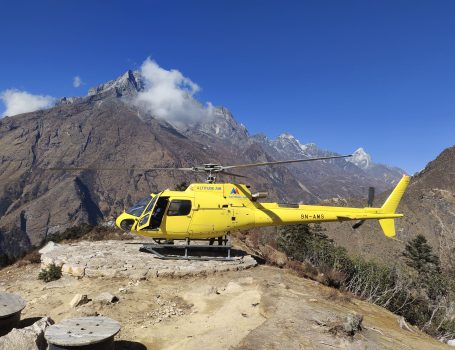
Road conditions on the Melamchi side can change with the weather, so we plan transfers with flexibility. Helicopter transport is available as an optional extra for those who want to shorten the trip.
Safety Information
- Your guide leads the group, checks everyone’s condition each day and decides on pace and route changes if the weather or trail is unsafe.
- Learn the early signs of altitude sickness (headache, nausea, dizziness, poor sleep) and tell your guide immediately. Do not ignore symptoms.
- Walk slowly, drink plenty of water and never ascend if symptoms are getting worse.
- Be careful on steep, slippery stone steps and on trails after rain, and during the monsoon be aware of landslides and leeches.
- Comprehensive travel insurance covering trekking up to 4,000 m and emergency helicopter evacuation is required.
- Our guides carry a first-aid kit and keep contact with our Kathmandu office throughout the trek.
- Mobile network and internet are limited in some places, so we plan check-ins in advance.
Responsible Tourism
We run our treks to benefit the local communities and protect the mountain environment.
- Hire local guides and porters, and pay fair wages with proper insurance and equipment
- Stay and eat in local lodges so money stays in the villages
- Carry out your rubbish, avoid single-use plastic and use refillable bottles
- Respect local culture: ask before taking photos, dress modestly, walk clockwise around stupas and mani walls
- Stay on marked trails and do not disturb wildlife, plants or water sources
- Limit use of firewood and hot water in tea houses to reduce pressure on forests
Book / Enquire
Ready to trek Helambu? Contact us today to book your trek or ask for a free, customised itinerary. Whether you want a short 5-day trip, a standard 7-day trek or an extension to Gosainkunda or Langtang, our team will plan it around your dates, budget and fitness.