Gosainkunda Trek
380
Trip Facts
- Duration 7 Days
- Trip Difficulty moderate
- Max. Altitude 4610 m
- Start and End Kathmandu - Kathmandu
- Best Time All seasons
- Accommodation Tea House
Overview
The Gosainkunda Trek is one of the most iconic short-to-moderate Himalayan journeys in Nepal, combining natural beauty, cultural richness, and deep spiritual significance. Located within the protected area of Langtang National Park, this trek takes you through lush forests, alpine landscapes, high mountain passes, and sacred glacial lakes. It is especially popular among trekkers who want a high-altitude experience close to Kathmandu without committing to a long expedition.
The journey begins in Kathmandu, where trekkers arrive and prepare for the adventure ahead. After a detailed briefing, the route starts with a scenic drive toward Syabrubesi, the gateway to the Langtang region. The drive follows the Trishuli River and passes through terraced farmland, small villages, waterfalls, and green hills. This transition from urban Kathmandu to rural mountain landscapes sets the tone for the trekking experience.
From Syabrubesi, the trail begins to climb steadily through dense forests of bamboo, oak, pine, and rhododendron. The early trekking days pass through peaceful natural surroundings rich in wildlife, including monkeys and a variety of Himalayan bird species. The trail gradually becomes steeper as trekkers ascend toward Sing Gompa, a small settlement known for its monastery and local cheese production. This section of the trek provides the first real sense of gaining altitude, as the air becomes cooler and the landscape more rugged.
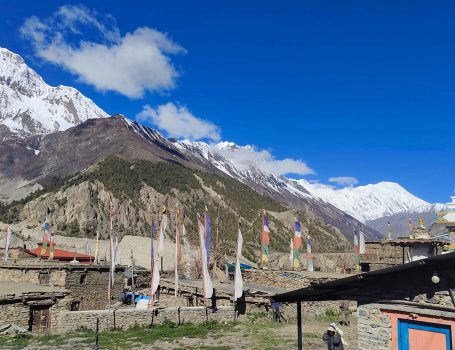
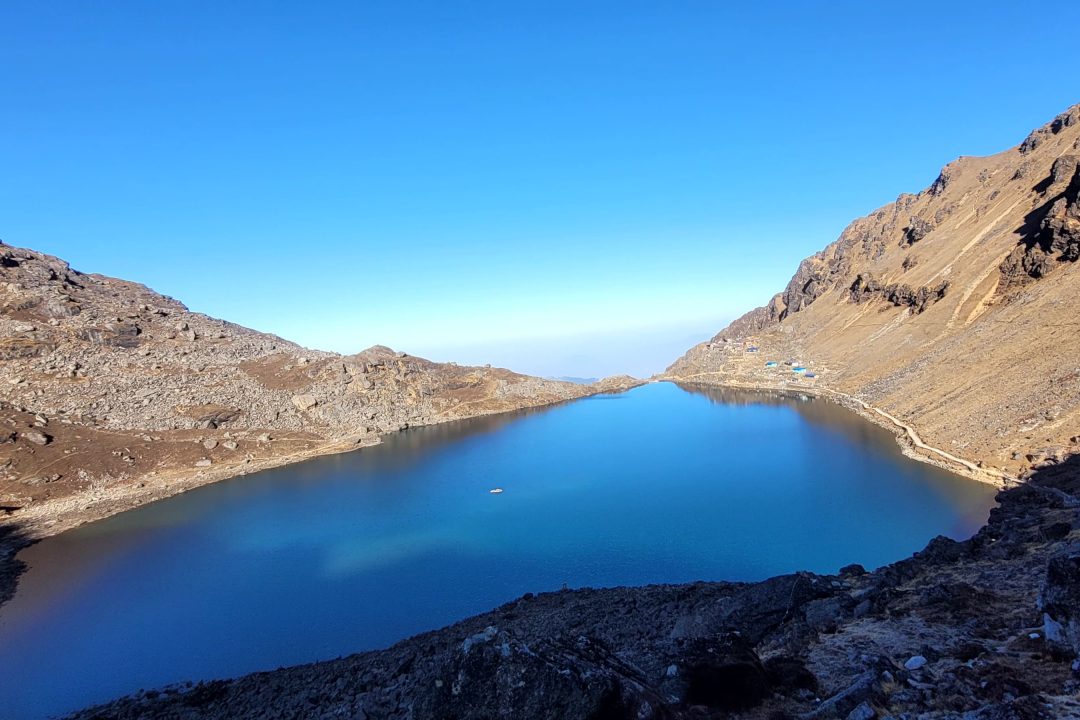
As the journey continues, the route leads toward Cholangpati and Lauribina, where the forest begins to thin and alpine scenery dominates. The trail offers increasingly wide views of the Langtang and Ganesh Himal ranges, creating a dramatic backdrop for the ascent. Eventually, trekkers reach Gosainkunda, a sacred lake situated at 4,380 meters. According to Hindu mythology, the lake was formed by Lord Shiva, making it one of the most important pilgrimage sites in Nepal. The atmosphere here is serene and spiritual, with crystal-clear waters reflecting the surrounding snow-covered peaks.
A rest and acclimatization day at Gosainkunda is essential for adjusting to the high altitude. Trekkers can explore nearby lakes such as Saraswati Kunda and Bhairav Kunda, or hike short ridges for panoramic views of the surrounding Himalayan landscape. The region feels remote and sacred, offering a rare combination of natural beauty and spiritual energy.
The most challenging part of the trek comes on the following day when crossing Lauribina Pass at 4,610 meters. This high mountain pass provides breathtaking panoramic views of the Himalayas, including Langtang, Ganesh Himal, and distant Tibetan peaks. The climb is physically demanding due to altitude and terrain, often involving steep ascents, cold winds, and sometimes snow. After reaching the summit, trekkers descend through rocky terrain toward the forested region of Ghopte.
From Ghopte, the trail continues descending through the Helambu region, passing through dense forests, ridges, and small rural settlements. The landscape gradually becomes greener and more populated as altitude decreases. Trekkers pass through Kutumsang and other hillside villages that showcase traditional Tamang and Sherpa culture. This section of the trek offers a peaceful contrast to the high alpine environment of Gosainkunda.
The final trekking day leads toward Sundarijal, passing through the beautiful forests of Shivapuri Nagarjun National Park. This protected area is rich in biodiversity and offers waterfalls, streams, and lush greenery. From Sundarijal, a short drive brings trekkers back to Kathmandu, marking the completion of the Himalayan journey.
Overall, the Gosainkunda Trek is a moderately challenging adventure suitable for trekkers with reasonable fitness. The highest point at Lauribina Pass and the sacred lakes of Gosainkunda are the major highlights, offering both physical challenge and spiritual reward. The trek combines diverse elements—dense forests, alpine terrain, Buddhist culture, and sacred mythology—making it one of Nepal’s most meaningful short Himalayan treks.
It is ideal for those seeking a balance of adventure, cultural immersion, and natural beauty within a limited timeframe. With proper acclimatization and pacing, the Gosainkunda Trek delivers an unforgettable experience of Nepal’s high Himalayas, sacred landscapes, and timeless mountain culture.
Highlights
- Short trek with refreshment and energizing vibrant
- Panoramic and gigantic views of the Langtang range.
- Trekking with nature and culture.
- Eco-friendly trek back to nature.
- Very famous trekking trail with nature and beauty.
- No worries about the flight.
- Less Crowd but sublime trek, a powerhouse of spiritualism.
- Explore the Tamang culture and custom