Everest Panorama Trekking
850
Trip Facts
- Duration 9 Days
- Trip Difficulty moderate
- Max. Altitude 3880 M
- Start and End Kathmandu - Kathmandu
- Best Time Autumn & Spring
- Accommodation Tea House
Trip Highlights
- Scenic flight to Lukla, one of the most famous mountain airstrips in the world
- Namche Bazaar, with its Saturday market, cafes and bakeries
- Sunrise or morning view from Everest View Hotel, with a mountain panorama
- Khumjung village, with the Hillary School and the Khumjung Monastery
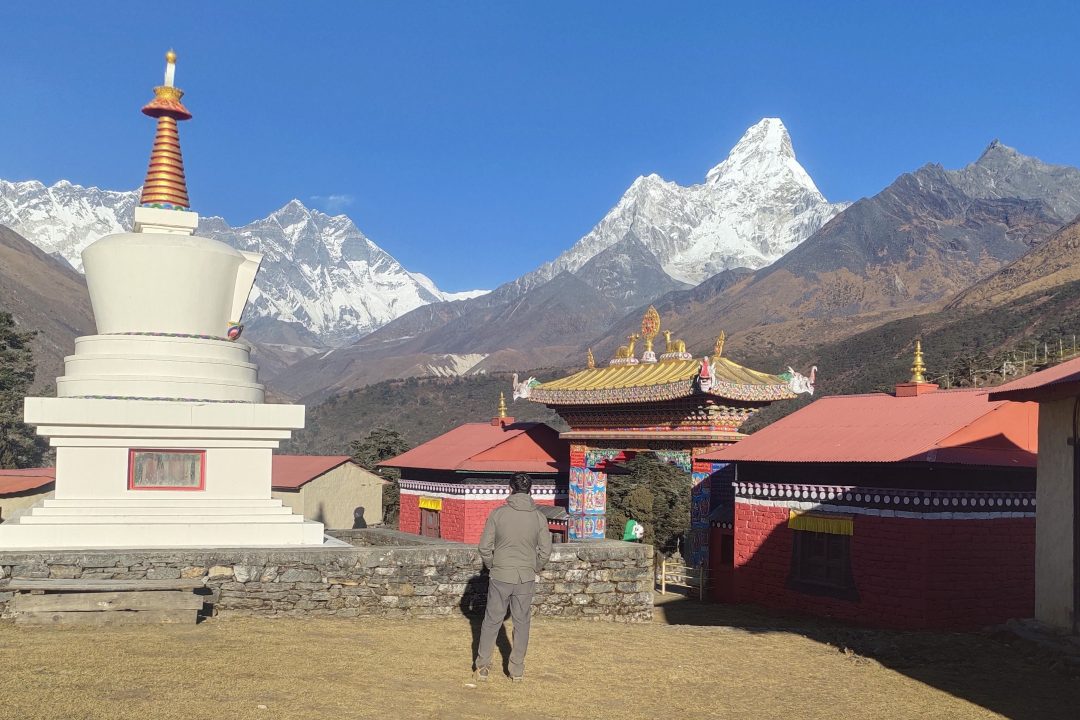
- Tengboche Monastery, with views of Ama Dablam and Everest
- Rhododendron and pine forests in Sagarmatha National Park (UNESCO World Heritage Site)
- Possible sightings of Himalayan tahr, musk deer and the colourful Danphe pheasant
- Suspension bridges over the Dudh Koshi River
Get big Everest views without going to Base Camp: a short, gentle trek through Sherpa villages to Tengboche Monastery and the Everest View Hotel, with Everest, Lhotse, Ama Dablam and Thamserku in sight.
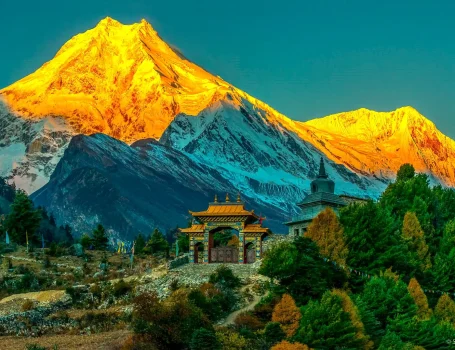
The Everest Panorama Trekking journey is a thrilling and arduous adventure, offering trekkers a chance to experience the awe-inspiring beauty of the Himalayas. It is a short trek to the Namche bazaar, a gateway of Mount Everest(Sagarmatha) and the renowned Tengboche Monastery, this is the largest monastery in the Khumbu Region of Nepal.
The short Everest Panorama Trek begins from the capital city, Kathmandu. From here, embark on a flight to Lukla. From Lukla, trekkers embark on a challenging and rewarding journey through the stunning picturesque Lukla Village. It is a small village that is the starting point of almost all treks in the Everest Region Of Nepal. The trekking area is an essence of pristine natural beauty, attracting thousands of photographers, trekkers and mountaineers every year. The trek gradually ascends allowing trekkers to acclimatize to the increasing altitude.
This is an essential aspect to minimize the risk of altitude sickness. As the trek momentum, views of the surrounding peaks become increasingly dramatic. Trekkers will bystander breathtaking sights of Ama Dablam, Lhotse, Nuptse, Thamserku and the majestic Mount Everest. These awe-inspiring vistas are visible from several viewpoints along the trail, such as Namche Bazaar, Tengboche and Khumjung. After Lukla, continue your hike along the banks of the Dudh Koshi River to Phakding village. Now, enter the Sagarmatha National Park, a UNESCO World Heritage site home to famed animals like; the snow leopard, the Himalayan Tahr, musk deer, bears, red panda and Himalayan Mouse hare.
From beginning to end this short adventure, you get ample time to relax and enjoy the beautiful views of the tallest peaks. Namche Bazaar, a bustling Sherpa town is a main highlight of the trek. From here, trekkers can explore local markets, monasteries, saturate in the rare Sherpa Culture and take rest. Tengboche is also one of the noteworthy spots which is famous for Buddhist monasteries. It is not only a spiritual haven but also offers panoramic views of mountains. Passing through a distinct contour, crossing several suspension bridges, you will reach Namche Bazaar, a gateway to the Everest region. Then, hike to Everest View Hotel to enjoy wondrous mountain range views and head to Khumjung.
The itinerary entails trekking to Monjo, a magnificent village just underneath the Sagarmatha National Park entrance gate and checkpoint. The weather and climate of the Everest Panorama Trek vary depending on the season. Spring (March to May) and autumn ( September to November) are generally the best times to undertake this trek. During this season, the weather is more stable with clear skies and mild temperatures. The temperature can still drop significantly at higher altitudes so warm clothing is essential. Lastly, retrace your step back to Lukla and end your steps back to Lukla and end your trekking journey by taking a flight back to Kathmandu from Lukla.
Everest Panorama Trek is a remarkable adventure that provides trekkers with breathtaking mountain views, encounters with the local Sherpa community and a glimpse into the grandeur of Mount Everest. This trek offers a shorter and less strenuous alternative to the Everest Base Camp Trek, making it suitable for wider range takers. It is a captivating journey that combines natural beauty, cultural encounters and a sense of adventure. It is a trek that leaves trekkers with lifelong memories and a deeper appreciation for the majestic Himalayas.
Outline Itinerary
Day 01: Arrival/Transfer To Hotel & Trek Preparation.
Day 02: Fly To Lukla And Trek To Phakding.
Day 03: Trek To Namche Bazar.
Day 04: Rest Day At Namche Bazaar For Acclimatization And Excursion.
Day 05: Trek To Tengboche.
Day 06: Trek To Monjo Via Namche Bazaar And Transfer To Lodge.
Day 07: Trek Back To Lukla.
Day 08: Fly Back To Kathmandu Afternoon Free At Leisure.
Day 09: International Departure To Respective Countries Homeward Bound.
Why Choose Everest Panorama Trek?
- Everest views at lower altitude: You see Everest and its neighbours without going above about 3,900 m.
- Short and flexible: About a week from Kathmandu to Kathmandu, easy to fit into a busy Nepal itinerary.
- Beginner-friendly: No technical skills or previous trekking experience are required.
- Rich Sherpa culture: Visit monasteries, prayer walls, local museums and traditional villages.
- Safer acclimatisation: The gradual rise and rest day in Namche help your body adjust.
- Great for families and older trekkers: Gentle days, comfortable teahouses and good support.
- Option to extend: Add Gokyo, Everest Base Camp or Kalapatthar later if you want a longer adventure.
Difficulty During Everest Panorama Trek
Easy to moderate.
- Walking 4-6 hours a day on well-marked trails, with some steep ascents (especially the climb to Namche and the climb up to Tengboche).
- Altitude stays below about 3,900 m, so it is much easier than trekking to Base Camp.
- No climbing experience needed. Basic fitness and a positive attitude are enough.
- We recommend regular walking, stair climbing or light cardio for 3-4 weeks before the trek.
Altitude Info Of Everest Panorama Trek
- Kathmandu: 1,400 m
- Lukla: 2,840 m
- Phakding: 2,610 m
- Namche Bazaar: 3,440 m
- Everest View Hotel: 3,880 m
- Khumjung: 3,790 m
- Tengboche: 3,867 m
Even at this height, altitude sickness can happen. Walk slowly, drink plenty of water, rest when you need to and tell your guide at once if you have a headache, nausea or dizziness. The acclimatisation day in Namche is part of the plan and should not be skipped.
Best Time For Everest Panorama Trek
- Autumn (September-November): The best season. Clear skies, stable weather, great visibility and festivals such as Dashain and Tihar in the valleys.
- Spring (March-May): Warm days, rhododendrons in bloom and good views, with occasional afternoon clouds.
- Winter (December-February): Cold, but often crisp and clear in the mornings. Quiet trails. Warm gear is essential.
- Monsoon (June-August): Rain, cloud, leeches on lower trails and flight delays. Not recommended for the views.
Permits Required For Everest Panorama Trek
The following are needed (we arrange them for you):
- Sagarmatha National Park entry permit
- Khumbu Pasang Lhamu Rural Municipality permit (local area permit)
Fees may change, so please confirm current costs when booking. Please carry your passport and a few passport-size photos.
Accommodation In Everest Panorama Trek
- Kathmandu: Hotel with breakfast (3-star by default, upgrades available).
- On the trek: Comfortable teahouses run by local families, with twin-sharing rooms, blankets and shared bathrooms.
- Teahouse rooms are not heated. Hot showers, device charging and Wi-Fi are available in most villages for an extra fee.
- Namche Bazaar and Khumjung have the best choice of lodges. Higher villages are simpler.
- A warm sleeping bag is recommended and can be rented in Kathmandu.
Meals In Everest Panorama Trek
- Breakfast, lunch and dinner are eaten in teahouses (included in full-board packages).
- Typical menu: Dal bhat, noodles, soup, momos, fried rice, pasta, pancakes, eggs, porridge and Tibetan bread. Namche has bakeries and cafes if you want a treat.
- Tea, coffee and hot lemon are widely available.
- Dal bhat is the best choice for energy and usually comes with free refills.
- Drinking water: Boiled or filtered water, purification tablets or a filter bottle. Please avoid single-use plastic bottles.
Transportation Facilities In Everest Panorama Trek
- Kathmandu to Lukla and back: Domestic flight (about 30-40 minutes). In peak seasons, flights may leave from Ramechhap (Manthali) airport, which requires an early-morning drive of 4-5 hours from Kathmandu. We will confirm the airport before departure.
- Airport and hotel transfers: Private vehicle.
- On the trail: Walking. Porters carry your main bag (usually up to 10-12 kg per trekker).
- Weather buffer: Lukla flights depend on weather, so we recommend keeping 1-2 spare days in your schedule.
Safety Information
- Altitude: Ascend slowly, rest on acclimatisation day, drink 3-4 litres of water daily and avoid alcohol. If symptoms such as headache, nausea or dizziness get worse, descend and tell your guide.
- Guide support: Your licensed, first-aid-trained guide checks on your health every day.
- Travel insurance: Mandatory. It should cover emergency helicopter evacuation, medical expenses and trip cancellation up to at least 4,000 m.
- Weather: Conditions can change quickly. Follow your guide’s advice if flights or trails need to be adjusted.
- Hygiene: Wash or sanitise your hands often and eat freshly cooked food.
- Trail safety: Keep to the inside of the trail when yaks and porters pass, and cross suspension bridges one group at a time.
- Communication: Mobile and internet coverage is available in most villages but can be patchy.
Responsible Tourism
- Take your waste home: Carry non-biodegradable rubbish back to Kathmandu.
- Avoid plastic bottles: Use a refillable bottle and purification.
- Respect local culture: Walk clockwise around mani walls and stupas, dress modestly, remove shoes in monasteries and ask before taking photos of people.
- Support local businesses: Stay in family-run teahouses, eat local food and buy handmade souvenirs.
- Treat porters well: Make sure they have suitable clothing, insurance and fair loads.
- Protect the environment: Stay on marked trails, do not pick plants and do not feed wildlife.
- Save resources: Take short showers and use solar-charged power where possible.
Book / Enquire
See Everest without the long trek.
Enjoy mountain views, Sherpa culture and comfortable teahouses in just one week. Our team will handle your permits, flights, guide and porter, so you can enjoy the walk. Book early for September-November and March-May, when flights and teahouses fill up quickly.
👉 [Book Your Everest Panorama Trek] | [Send an Enquiry] | [Chat on WhatsApp]
Private departures, family packages and custom itineraries available on request.