Langtang Valley Trek
490
Trip Facts
- Duration 9 Days
- Trip Difficulty moderate
- Max. Altitude 4600 m
- Start and End Kathmandu - Kathmandu
- Best Time Autumn & Spring
- Accommodation Tea House
Trip Highlights
- Sightseeing in Kathmandu’s major Heritage places
- Enjoy the remote trek in lower region of Langtang Valley
- Explore the local food, culture and lifestyle of local villages
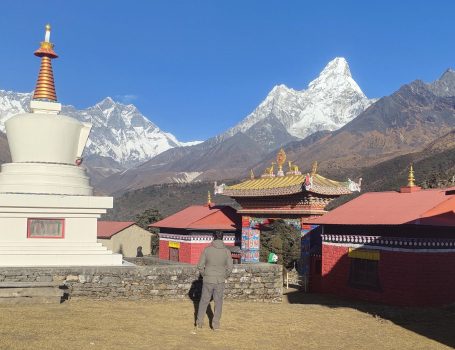
- Visit Kyangjin Gompa, a prominent Buddhist Monastery
- Enjoy most unique flora and fauna of Langtang National Park
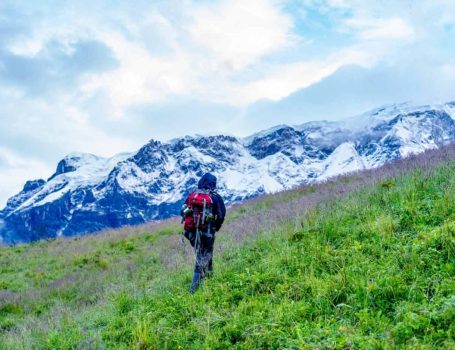
- Walk through the lush green forest filled with Rhododendron and other wildflowers
- Wonderful sunrise views from Tserko Ri
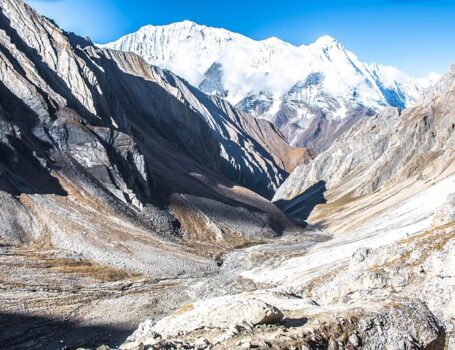
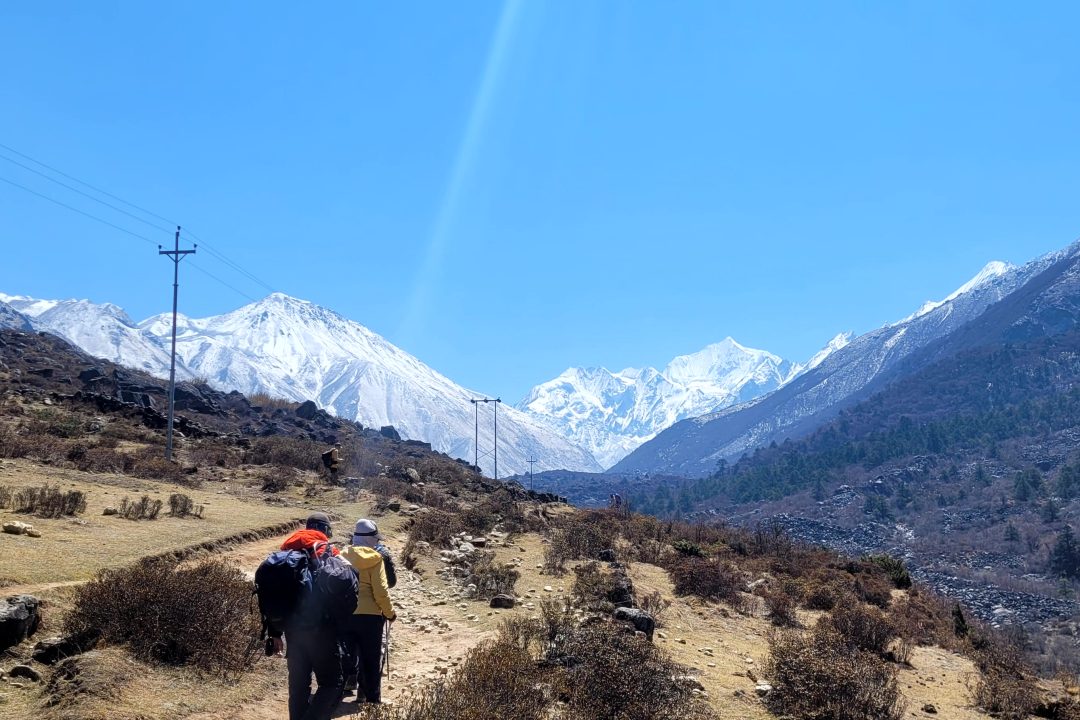
- Marvelous views of snowy peaks like Dorje Lakpa, Langtang Ri & Langtang Lirung
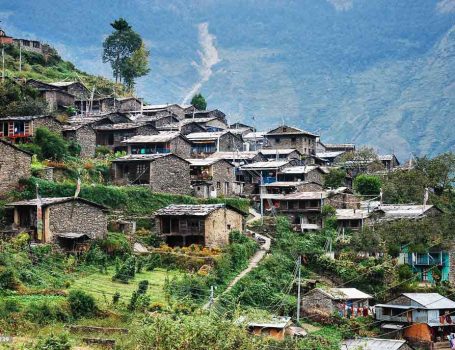
- Experience the unique culture and traditions of Tamang & Sherpa
Trek through rhododendron forests, yak pastures and Tamang villages to a glacier-framed valley, just a day’s drive from Kathmandu.
The Langtang Valley is situated at an altitude of (3870m), at Kyanjin Gompa which is the highest point of the trek. It is conveniently located to the north of Kathmandu and south of the Tibet border surrounded by beautiful peaks of great appeal. It lies within the Langtang National Park, which is rich in its Natural beauty and Himalayan geography. It is a short Langtang Valley Trek to moderate level of trekking that runs through the beautiful Langtang Region. This region is predominantly inhabited by Tamang and Sherpa cultures where trekkers have a chance to explore their unique traditions, language and their typical village lifestyle.
Langtang Valley Trek is a famous and popular trek in Nepal. It is known for its spectacular mountain views, glorious landscape and the warm spirit of the Buddhist beliefs. The trek starts from Syabrubesi village (1550m), which is located in Rasuwa district in Nepal. From Syabrubesi, trekkers begin their journey by foot slowly rising through beautiful forests, villages, heritage monastery and valleys until you reach the Kyangjin Gompa, a prominent Buddhist Monastery which is located at an altitude of around (3870m) in the Langtang valley.
Trekkers stay in Kyanjin Gompa to explore the surrounding valleys and peaks to experience the best panoramic viewpoint and short hike to Tserko RI and Kyanjin RI. The most Famous peaks are Langshisha Ri (6427m) and Yala Peak (5520m), both of which are very popular climbing peaks during the season. Kyangjin Gompa will take you few hours from Langtang Village upto Langtang National Park, passing through the lush forests, tropical lowland jungles, grasslands, tropical rainforests, and cold high altitude glaciers offer you spectacular views of Langtang Lirung(7246m), Kimshung(6781m), and Langshisha Ri(6370m) in Kyangjin Gompa.
Moreover, there are chances of witnessing elusive wildlife such as musk deer, Himalayan tahr, or red panda walking through the dense woodland cover of the national park. As we move from the tropical lowlands to the alpine heights of the Langtang Valley, enthusiast hikers may even spot indications of the extinct rare snow leopard. There is a bit of variety on this route each day, which is one of the reasons it is so popular. This is also one of the most favorite and classic trekking journeys alongside the Everest Base Camp Trek and Annapurna Base Camp Trek, but when compared to those well known competitors, this is still something of a hidden gem.
The Langtang Valley Trek offers a blend of natural beauty, cultural experiences, outdoor adventures and a chance to explore Tamang and Sherpa’s culture and traditions. You will witness indigenous Tamang and Sherpa communities when you walk across various ethnic villages en-route. These welcoming villagers passionately expose you to their culture, which is heavily influenced by Tibetan Buddhism, which thrives here in the Himalayas. It is a short, classic and lesser known trail that is ideal for those looking for a true Himalayan trip in a short length of time, that gives a taste of Nepalese trekking and is non-crowded even during the peak season of trekking.
Langtang Valley Trek is easier than Nepal’s other well known treks, such as the ABC Trek, EBC Trek, or Manaslu Trek. This trekking does not demand any previous experience and any age can accomplish the journey successfully if they are mentally and physically prepared. There are several teahouses and lodges along the route, providing easy access to lodging and food. This hike demands ordinary physical fitness and a desire to see new locations. Indeterminable weather conditions add to the difficulty of the Langtang Trek. The climate and weather in the Langtang region change with the seasons.
You are recommended to get to know about the destination’s weather conditions prior to your journey so that you can experience it at its best. Walking could be difficult due to the thick snow on the trails and the cold weather, so trekkers must come well- prepared for the trek.
Why Choose Langtang Valley Trek?
- Close to Kathmandu: The trailhead at Syabrubesi is a full day’s drive from the capital, so you don’t need a flight.
- Varied scenery: The trail climbs from subtropical forest through bamboo and rhododendron to alpine meadows beneath Langtang Lirung (7,227 m).
- Tamang culture: You walk through Tamang villages with prayer walls, monasteries and a strong Tibetan Buddhist heritage. Local homestays and tea houses let you meet the community.
- Kyanjin Gompa and Tserko Ri: Spend time at Kyanjin Gompa, visit the local cheese factory and take an optional acclimatisation climb to Kyanjin Ri or Tserko Ri (about 4,984 m) for panoramic Himalayan views.
- Quieter than Everest and Annapurna: The trek is less crowded and well suited to first-time Himalayan trekkers.
- Resilient community: The valley was badly hit by the 2015 earthquake and rebuilt, and your visit directly supports local livelihoods.
Difficulty In Langtang Valley Trek
Moderate. The trek takes 7 to 10 days and involves 5 to 7 hours of walking a day, with some steep uphill sections, especially from Lama Hotel to Langtang Village. No technical climbing is required. Good general fitness and prior hiking experience are helpful, but not essential.
Altitude Info Of Langtang Valley Trek
- Starting point (Syabrubesi): about 1,550 m
- Langtang Village: about 3,430 m
- Kyanjin Gompa: about 3,870 m
- Highest point: Tserko Ri at about 4,984 m (optional)
An itinerary with gradual ascent and an acclimatisation day at Kyanjin Gompa keeps the risk of altitude sickness low.
Best Time For Langtang Valley Trek
- Autumn (September to November): Clear skies, stable weather and the best mountain views. This is the peak season.
- Spring (March to May): Rhododendrons in bloom, warm days and good visibility.
- Winter (December to February): Cold, but quiet trails and clear mornings. Higher sections may have snow.
- Monsoon (June to August): Not recommended because of rain, leeches and landslide risk on the lower trail.
Permits Required For Langtang Valley Trek
Two permits are required:
- Langtang National Park Entry Permit
- TIMS Card (Trekkers’ Information Management System), or the applicable local permit as per current regulations
We arrange all permits for you. Please keep your passport and passport-size photos ready. Permit fees and requirements can change, so we confirm the current rules at the time of booking.
Accommodation In Langtang Valley Trek
- During the trek: Comfortable tea houses and lodges along the route, with twin-sharing rooms and basic beds with blankets. Rooms at higher altitudes are simple, and bathrooms are often shared.
- In Kathmandu: Hotel accommodation before and after the trek (upgrades available on request).
- We recommend bringing a good sleeping bag for the colder nights.
Meals In Langtang Valley Trek
- On the trek: Breakfast, lunch and dinner are served at the tea houses. Menus offer Nepali dal bhat, noodles, soups, pasta, eggs, momos, porridge, local potatoes and more.
- Drinking water: Boiled or filtered water is available at tea houses. We recommend purification tablets or a filter bottle to reduce plastic waste.
- Vegetarian options are widely available, and Langtang is known for its yak cheese and fresh dairy.
Transportation Facilities In Langtang Valley Trek
- Kathmandu to Syabrubesi: A scenic private or shared vehicle ride of about 7 to 8 hours, depending on road conditions.
- Return: Syabrubesi to Kathmandu by the same route.
- Airport transfers are included in the package. Private jeep transfers are available on request for added comfort and flexibility.
Safety Information
- Our licensed, experienced trekking guides are trained in first aid and altitude awareness.
- The itinerary includes gradual ascents and an acclimatisation day to reduce the risk of altitude sickness.
- Guides monitor your health daily. They carry a first aid kit, and we advise carrying your own personal medication.
- Emergency evacuation support is available, so we recommend travel insurance that covers trekking up to 5,000 m and helicopter rescue.
- Follow your guide’s advice about weather, trail conditions and pace.
- The 2015 earthquake caused landslide hazards in parts of the valley, and the route is monitored regularly. Your guide will advise on any current trail conditions.
Responsible Tourism
- Carry out all non-biodegradable waste and avoid single-use plastic.
- Use tea houses and local services to support the community directly.
- Respect Tamang culture: walk clockwise around mani walls and chortens, ask before taking photographs of people and dress modestly.
- Stay on marked trails and do not disturb wildlife in the national park, which is home to red pandas, Himalayan tahr and langur monkeys.
- Fair wages and proper gear for porters are part of our commitment.
Book / Enquire
Ready to walk into the Langtang Valley?
Join a small group or go private on a trip designed around your pace and dates. Our local team handles permits, guides, transport and every detail so you can focus on the mountains.
👉 Book Your Langtang Valley Trek Now | Enquire for a Custom Itinerary