Trip Overview
Overview
The Langtang Gosainkunda Trek is one of the most rewarding trekking adventures in Nepal, combining spectacular Himalayan scenery, rich Tamang and Tibetan-influenced culture, sacred alpine lakes, and beautiful mountain landscapes. This 14-day itinerary offers trekkers an unforgettable journey through the heart of the Langtang National Park, providing the perfect balance of natural beauty, cultural exploration, and high-altitude adventure.
The journey begins in Kathmandu, the cultural capital of Nepal. After arrival and trek preparation, the adventure starts with a scenic drive to Syabrubesi, the gateway to the Langtang region. The drive itself is an exciting experience, passing through terraced farmlands, rural villages, rivers, and green hills while offering the first glimpses of the Himalayan ranges.
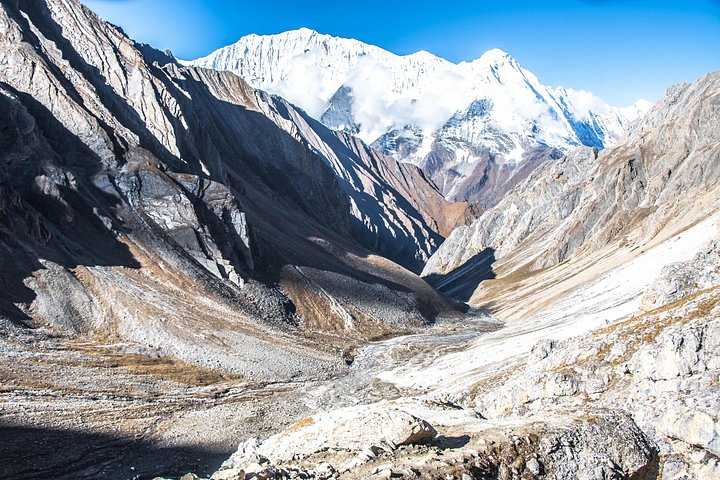
From Syabrubesi, the trekking trail follows the Langtang River through dense forests of bamboo, rhododendron, oak, and pine. The peaceful forest trails are rich in wildlife and birdlife, and trekkers may occasionally spot langur monkeys or even the rare red panda. The route gradually ascends toward Lama Hotel and then continues deeper into the valley toward Langtang Village. Along the way, the landscape changes dramatically from lush forests to wide alpine valleys surrounded by snow-covered mountains.
One of the major highlights of the trek is reaching Kyanjin Gompa, a beautiful Himalayan settlement located beneath towering peaks and glaciers. The village is famous for its ancient Buddhist monastery, yak cheese factory, and spectacular mountain scenery. Trekkers spend an acclimatization day here to adjust to the altitude and enjoy optional hikes to Kyanjin Ri or Tserko Ri. These viewpoints offer breathtaking panoramic views of Langtang Lirung, Dorje Lakpa, glaciers, icefalls, and surrounding Himalayan ranges.
After exploring the Langtang Valley, the trail descends back toward Lama Hotel before diverting toward the traditional Tamang village of Thulo Syabru. This section of the trek provides a wonderful cultural experience where trekkers can observe the unique lifestyle, customs, monasteries, and hospitality of the local mountain communities. The route then climbs steadily through beautiful rhododendron and pine forests toward Cholangpati and the sacred lakes of Gosainkunda.
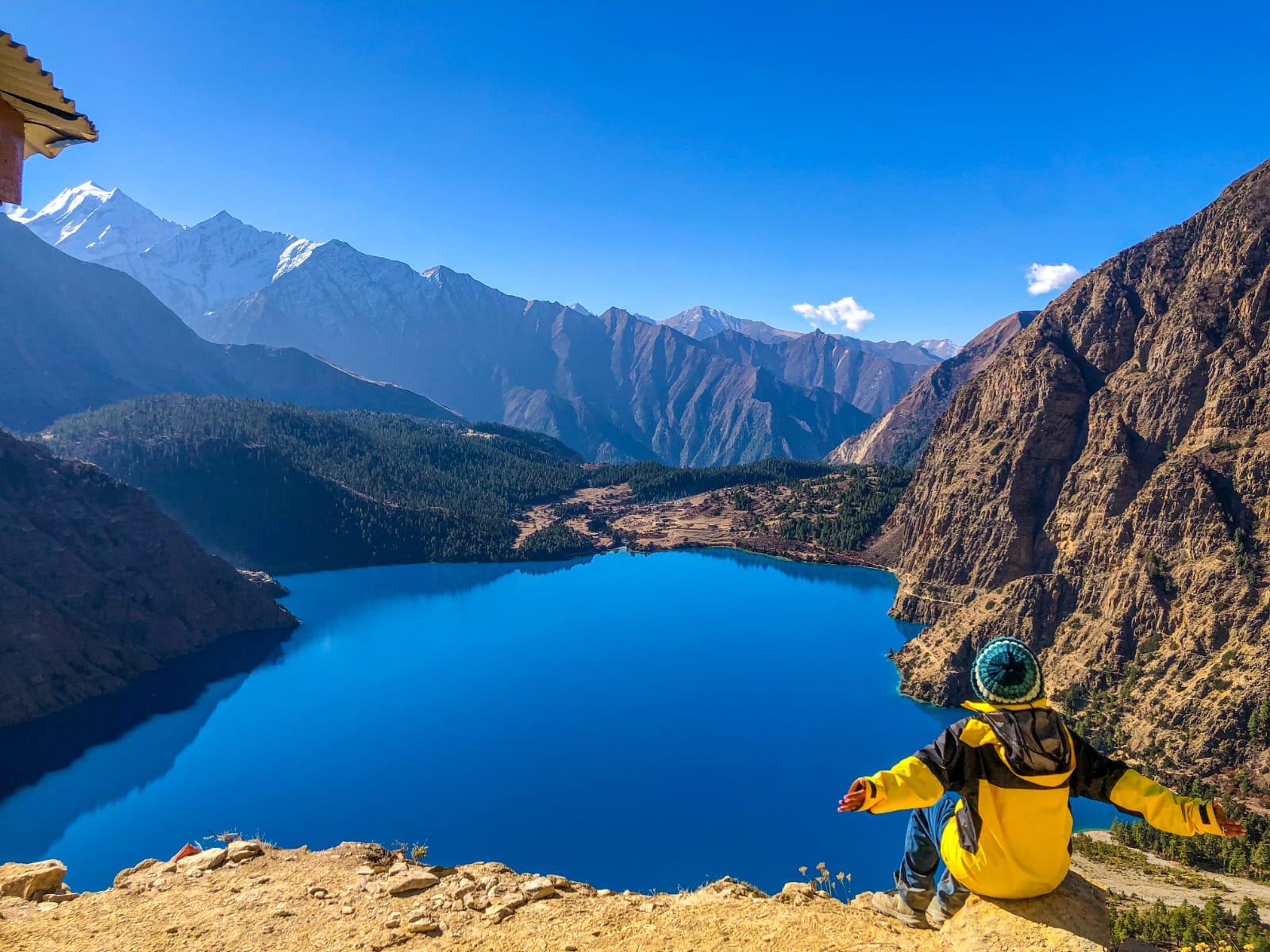
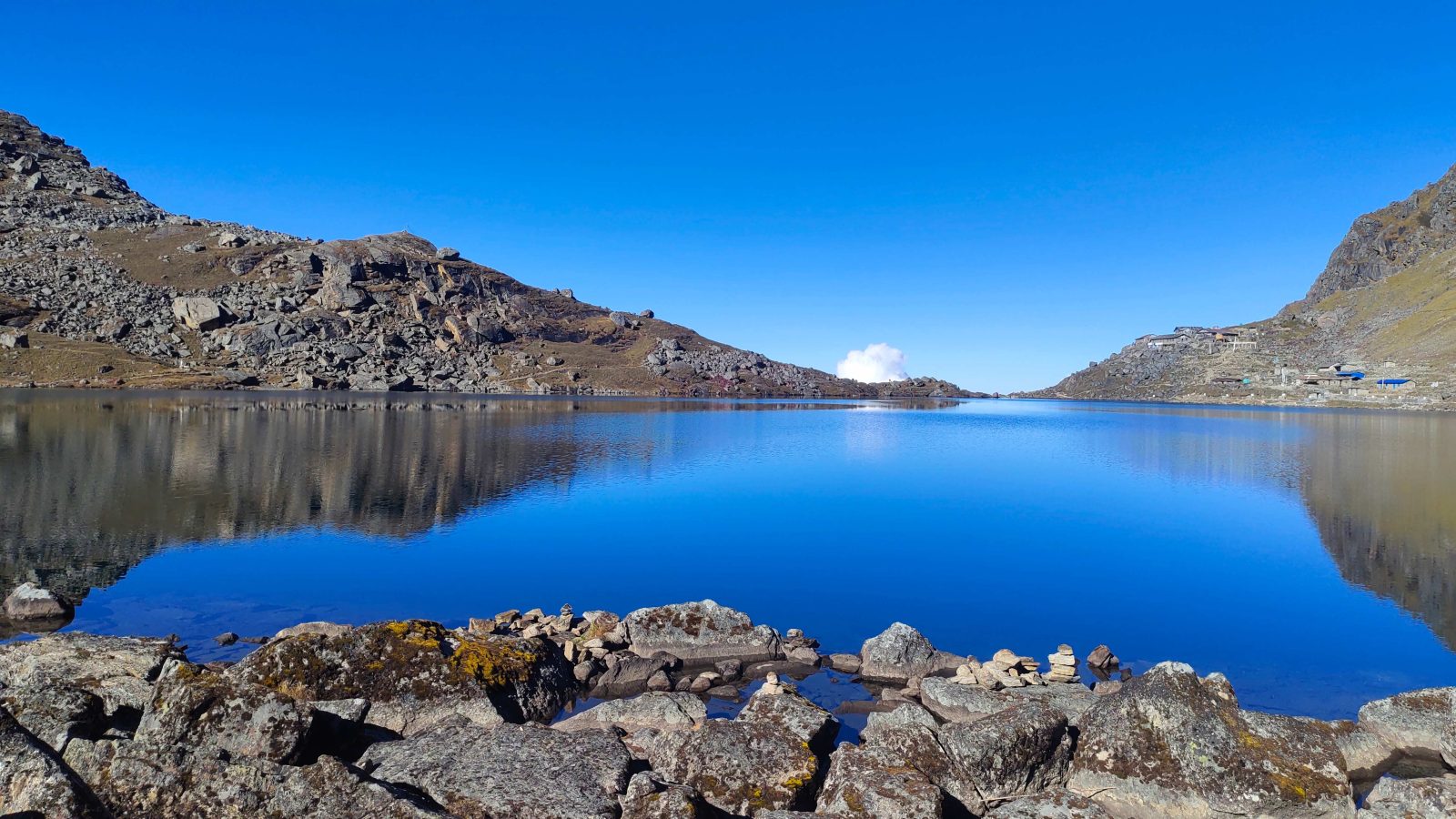
Gosainkunda is one of the most sacred pilgrimage destinations in Nepal for both Hindus and Buddhists. According to Hindu mythology, the lake was created by Lord Shiva. Surrounded by rugged mountains and pristine alpine landscapes, the turquoise lake creates a magical and spiritual atmosphere. Every year during the Janai Purnima festival, thousands of pilgrims visit this holy site to take ritual baths in the sacred waters.
The most challenging yet rewarding part of the trek is crossing Lauribina Pass at an altitude of approximately 4,610 meters. The high mountain pass offers spectacular panoramic views of the Langtang Himalayas, Ganesh Himal, Helambu region, and distant Tibetan mountains. The crossing involves steep ascents and descents through rocky alpine terrain, making it one of the most adventurous sections of the journey.
After crossing the pass, the trek enters the peaceful Helambu region, known for its beautiful forests, rolling hills, Buddhist culture, and traditional villages. The trail gradually descends through Ghopte and Kutumsang before finally reaching Sundarijal on the edge of Kathmandu Valley. The journey concludes with a drive back to Kathmandu, where trekkers can relax and celebrate the successful completion of the adventure.
The Langtang Gosainkunda Trek is considered a moderate to challenging trek suitable for trekkers with good physical fitness and a sense of adventure. The itinerary is carefully designed with proper acclimatization to minimize altitude-related risks while allowing trekkers to fully enjoy the region’s natural beauty and cultural richness.
This trek offers an extraordinary combination of mountain scenery, sacred lakes, remote Himalayan villages, Buddhist traditions, forests, glaciers, and high mountain passes. Compared to some of Nepal’s more crowded trekking routes, the Langtang Gosainkunda Trek offers a quieter, more authentic Himalayan experience. For trekkers seeking both adventure and cultural immersion, this journey stands as one of the finest trekking experiences in Nepal.
Why Choose the Langtang Trek with Gosainkunda Lake?
The Langtang Valley and Gosainkunda Trek is one of Nepal’s most diverse and spiritually enriching trekking routes, combining dramatic Himalayan scenery, ancient cultural heritage, and deep religious significance. Located just north of Kathmandu, this trek offers a remote Himalayan experience without requiring long travel or extreme expedition-level difficulty.
It is an ideal choice for trekkers who want a perfect balance of mountain adventure, cultural immersion, and spiritual exploration in a single journey.
This route connects two iconic destinations — the peaceful Langtang Valley and the sacred Gosainkunda Lake — creating a trekking experience that is both visually breathtaking and emotionally rewarding.
Main Attractions of the Langtang Trek with Gosainkunda Lake
This trek is known for its two major highlights, each offering a completely different but equally powerful experience.
1) Langtang Valley – The “Valley of Glaciers”
The journey through Langtang Valley introduces trekkers to dramatic alpine scenery, glacier-fed rivers, and wide mountain valleys surrounded by towering peaks. One of the main highlights is Kyanjin Gompa, a charming high-altitude village located beneath the majestic backdrop of Langtang Lirung.
From here, trekkers can explore nearby viewpoints such as Kyanjin Ri and Tserko Ri, which offer some of the best panoramic views in the entire Langtang region.
2) 🕉 Gosainkunda – Sacred Alpine Lakes
The second major highlight is the sacred Gosainkunda Lake, located at an altitude of about 4,380 meters. This glacial lake system is considered highly sacred in Hindu mythology and is believed to be created by Lord Shiva.
Every year during the Janai Purnima festival, thousands of pilgrims from Nepal and India visit the lake, transforming the high Himalaya into a vibrant spiritual gathering site.
3) History of the Region
The Langtang region has a long and fascinating history as part of an ancient trans-Himalayan trade route connecting Nepal and Tibet. Traders once crossed these valleys carrying salt, wool, and grain, creating cultural exchanges that shaped the identity of local communities.
In recent history, the region was heavily affected by the 2015 earthquake and massive landslide in Langtang Valley, which caused significant loss of life and infrastructure. Despite this tragedy, the local communities rebuilt their villages with remarkable resilience.
Today, Langtang stands as a powerful symbol of strength, recovery, and sustainable mountain tourism, welcoming trekkers from all over the world.
4) Culture and Local Lifestyle
The trek passes through traditional settlements inhabited mainly by the Tamang people, along with Sherpa and other highland communities. These groups have preserved a rich Tibetan-influenced culture for centuries.
Throughout the trail, trekkers encounter:
- Buddhist monasteries (gompas) with prayer ceremonies
- Mani walls carved with sacred mantras
- Colorful prayer flags symbolizing peace and compassion
- Traditional stone houses with wooden architecture
- Locally run teahouses offering warm hospitality
The lifestyle here is simple but deeply spiritual, with strong connections to nature, religion, and mountain tradition.
5) Geography and Landscape
One of the most striking features of this trek is its dramatic geographical variation. The trail starts from lush subtropical forests and gradually rises into alpine terrain and high glacial landscapes.
Key landscape features include:
- Deep river gorges carved by the Langtang Khola
- Dense bamboo and rhododendron forests
- Wide alpine meadows used for yak grazing
- Glacial moraines and icy mountain terrain
- High ridges offering panoramic Himalayan views
This continuous change in scenery makes every trekking day unique and visually rewarding.
6) Flora and Fauna
The trek lies within the protected Langtang National Park, one of Nepal’s most biodiverse conservation areas.
The lower region is covered with dense forests of oak, pine, bamboo, and rhododendron. In spring, the entire forest blooms with colorful rhododendron flowers, creating one of the most beautiful trekking environments in Nepal.
Wildlife commonly found in the region includes:
- Red panda (rare and endangered)
- Himalayan tahr
- Musk deer
- Langur monkeys
- Various species of Himalayan birds
For nature lovers, this trek offers a rare opportunity to experience untouched Himalayan biodiversity.
7) Spiritual Significance
What makes this trek truly unique is its deep spiritual dimension. Both Langtang Valley and Gosainkunda are considered sacred landscapes.
- Monasteries along the trail create a peaceful, meditative atmosphere
- Gosainkunda is believed to be a divine creation of Lord Shiva
- Prayer flags and chortens symbolize blessings for travelers
- Pilgrims and trekkers share the same path, blending adventure with devotion
This spiritual presence adds emotional depth to the journey, making it more than just a trekking route.
Outline Itinerary
Day 01 – Arrival in Kathmandu (1,350m)
Day 02 – Drive Kathmandu to Syabrubesi (1,500m)
Day 03 – Trek Syabrubesi to Lama Hotel (2,480m)
Day 04 – Trek Lama Hotel to Langtang Village (3,430m)
Day 05 – Trek Langtang Village to Kyanjin Gompa (3,830m)
Day 06 – Kyanjin Gompa Rest and Acclimatization Day
Day 07 – Trek Kyanjin Gompa to Lama Hotel (2,480m)
Day 08 – Trek Lama Hotel to Thulo Syabru (2,210m)
Day 09 – Trek Thulo Syabru to Cholangpati (3,584m)
Day 10 – Trek Cholangpati to Gosainkunda (4,380m)
Day 11 – Trek Gosainkunda to Ghopte (3,530m)
Day 12 – Trek Ghopte to Kutumsang (2,470m)
Day 13 – Trek to Sundarijal and Drive to Kathmandu
Day 14 – Final Departure from Kathmandu
Best Seasons for the Langtang Trek with Gosainkunda Lake
Spring (March to May):
The spring season brings a vibrant array of watchful plants and animals to Langtang National Park and its surroundings. This season, just after the end of Winter, provides mild temperatures advancing towards the warmer and longer days ahead. We will witness the vibrance bloom, painting the forests and making them glow. The trails are lively with the stable weather and excellent visibility of peaks like Langtang Lirung. The rainfall is moderate, hence the greenery and the warming climate make it easier for the trek and enhance the experience.
Autumn (September to November):
This season of Autumn comes with crisp and dry weather where the temperatures will range from 8-18 degrees in the lower areas to freezing levels in the higher elevations. We will have the vibrance of two big Nepali festivals like Dashain and Tihar approach in this season. The cultural immersion offers deeper insights into Tamang and Sherpa traditions. Autumn will be a vibrant time as you can meet many fellow trekkers in this season.
Permits Required for Langtang Trek with Gosainkunda Lake
| Permit Required | Price (Foreign Nationals) | Price (SAARC Nationals) |
| Langtang National Park Entry Permit | NPR 3,000 | NPR 1,500 |
| Trekkers’ Information Management System (TIMS) Card | N/A | N/A |
| Shivapuri Nagarjun National Park Entry Permit | N/A | N/A |
Key Notes:
- Mandatory Guide Requirement: Since February 2025, trekking in the Langtang region requires a mandatory licensed guide.
- Permit Checkpoints: Permits are checked at multiple points, like Dhunche, Syabrubesi, Ghoda Tabela, Kutumsang etc.
- All Nepal Excursions will arrange all the permits required for this trek and beyond after the booking is completed.
Final Experience of Langtang Trek with Gosainkunda Lake
The Langtang Valley & Gosainkunda Trek is a complete Himalayan journey that blends adventure, culture, nature, and spirituality in a single route.
From glacier valleys and sacred lakes to ancient villages and vibrant forests, every step reveals something new and meaningful. It is an ideal trek for those who want an authentic Himalayan experience without overcrowded trails, while still enjoying world-class scenery and cultural richness.
Whether you are a first-time trekker or an experienced adventurer, this journey leaves a lasting impression — not just as a trek, but as a deeply memorable Himalayan experience.