Sometimes, a country is reminded just how powerful nature can be.
On August 26, 2026, devastating flooding and landslides affected parts of northern Nepal, particularly the Rasuwa–Bhote Koshi and Trishuli river corridors. Communities lost homes, businesses, roads, and vital infrastructure, while rescue and recovery teams worked under extremely difficult circumstances. For the people directly affected, this is not simply a travel story—it is a deeply personal tragedy.
Our thoughts remain with every family, community member, tourism worker, and traveller affected by the disaster.
But another part of Nepal’s story deserves to be heard.
Nepal is still open. Nepal is still welcoming travellers. And Nepal is slowly moving forward.
The Nepal Tourism Board has officially stated that although some areas have been seriously affected, much of the country continues to live, work, travel, and welcome visitors. Its message is clear: “NEPAL IS NOT CLOSED.”
And this is an important message for travellers around the world who may be wondering: Is it still possible to visit Nepal? Is it safe to travel? Should I cancel my trip?
The answer is not simply yes or no.
The answer is: know where you are going, stay informed, travel responsibly, and let local professionals help you plan your journey.
Nepal Is More Than One Road, One Valley or One Region
One of the biggest misunderstandings after a natural disaster is that the entire country may be affected.
Nepal is a geographically diverse country stretching from the lowland Terai to the hills and the high Himalayas. A disruption in one region does not automatically mean that every trekking route, city, cultural site, or tourism destination across the country has stopped operating.
The Rasuwa disaster has caused serious damage in specific areas, particularly around the northern Rasuwa corridor and the routes connected to the Nepal–China border. Travellers should not attempt to enter affected disaster zones on their own.
Current international travel guidance specifically advises against travel to the Rasuwagadhi–Timure–Syabrubesi area of Rasuwa because of flood damage, disrupted transportation and communications, ongoing recovery operations, and the possibility of further flooding and landslides.
But that does not mean Kathmandu has closed its doors.
It does not mean Pokhara has stopped welcoming visitors.
It does not mean every Himalayan trail has disappeared.
It does not mean Nepal’s cultural heritage has gone silent.
And it certainly does not mean Nepal has stopped being Nepal.
Across much of the country, hotels, restaurants, trekking companies, guides, drivers, shops, local communities, and tourism businesses continue their work.
Kathmandu Is Still Waiting to Welcome You
Your journey to Nepal often begins in Kathmandu.
The first thing many travellers notice is the energy.
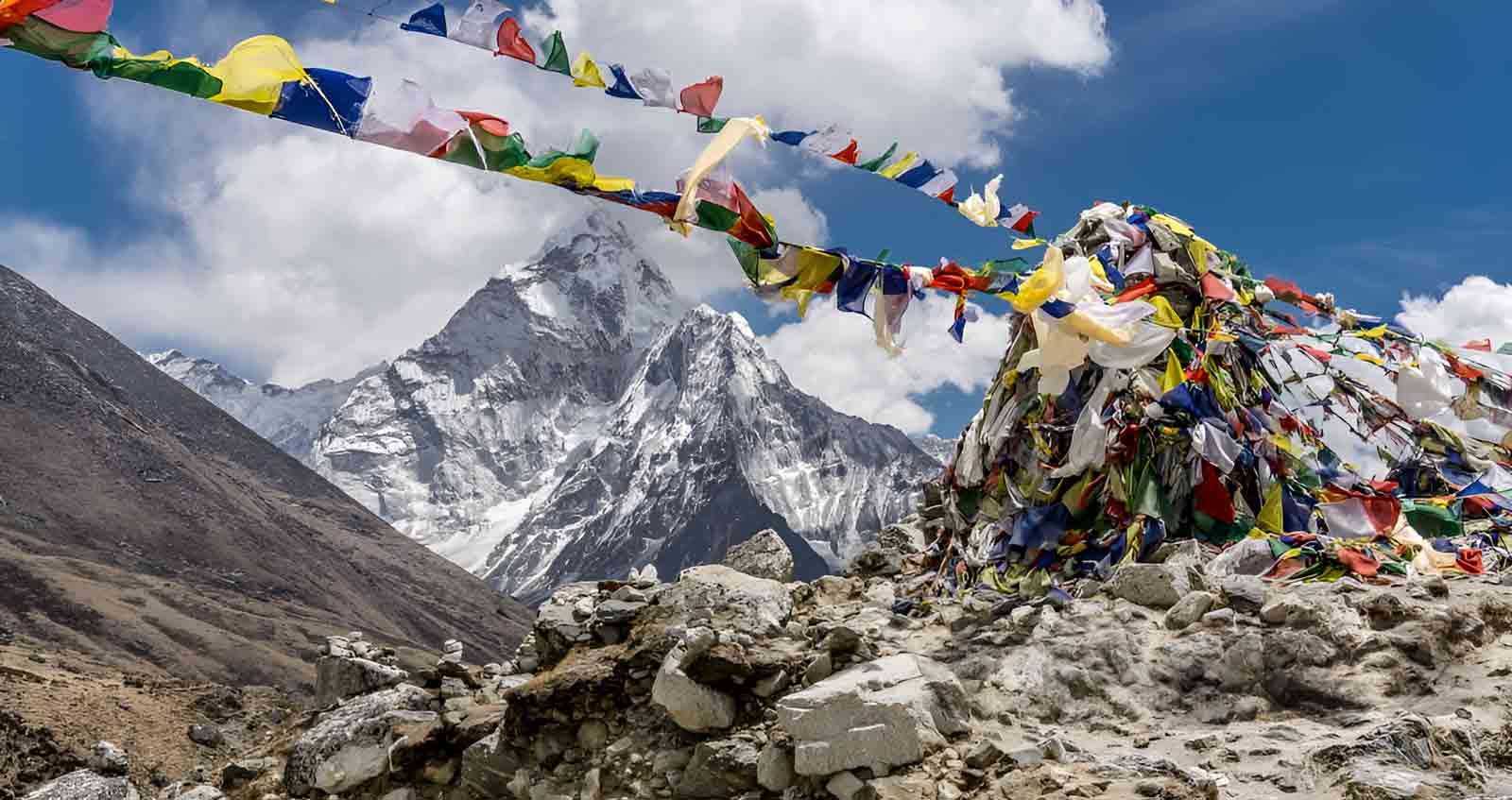
Motorbikes weave through busy streets. Prayer flags move gently above ancient courtyards. Bells ring around temples. Local cafés fill with trekkers discussing their next adventure. Shopkeepers prepare traditional handicrafts. Guides meet their groups and check trekking equipment. Drivers wait for airport arrivals.
This everyday rhythm of Kathmandu continues.
For many international travellers, Kathmandu is more than a starting point for a trek. It is where Nepal begins to make sense.
You can walk through the historic streets of Kathmandu, explore ancient temples and courtyards, experience local food, visit UNESCO-listed heritage sites, enjoy the atmosphere of Thamel, or simply sit at a rooftop café and watch the city move around you.
Tourism here is not only about sightseeing.
Every hotel room booked, meal eaten, vehicle hired, guide employed, and souvenir purchased supports someone whose livelihood is connected to tourism.
That becomes even more meaningful during a period of recovery.
Pokhara Is Still Calling
If Kathmandu is Nepal’s cultural gateway, Pokhara is its gateway to adventure, relaxation and the mountains. Sitting beside the peaceful waters of Phewa Lake, Pokhara has a special charm that is difficult to describe until you experience it yourself. The city feels relaxed and welcoming, yet everywhere you look there is a reminder that the Himalayas are close. On a clear morning, the snow-covered peaks of the Annapurna range appear beyond the hills, creating a breathtaking backdrop to everyday life.
Pokhara is the kind of place where you do not necessarily need a strict schedule. You can start your morning with a quiet walk along the lakeside, enjoy a warm cup of Nepali tea or coffee, and watch the first sunlight spread across the mountains. Later, you might take a traditional boat across Phewa Lake, explore the local streets, visit cultural and natural attractions, or simply sit by the water and enjoy the view. As the day continues, the city comes alive with cafés, restaurants, small shops, adventure activities and travellers from around the world.
For adventure lovers, Pokhara offers an incredible range of experiences. Paragliding over the Pokhara Valley provides a completely different perspective of the landscape, while hiking to viewpoints around the valley offers spectacular mountain scenery without requiring a long expedition. Cycling, boating, ziplining, canyoning and short-day hikes are also popular ways to experience the area. For trekkers, Pokhara is an important starting point for journeys into the Annapurna region, including routes such as Annapurna Base Camp, Mardi Himal, Ghorepani–Poon Hill and the Annapurna Circuit.
But Pokhara is not only about adventure.
There is a quieter side to the city that many travellers come to appreciate even more. You can visit local communities, experience traditional Nepali food, learn about the culture of the people living in the surrounding hills, or spend an evening watching the changing colours of the sky over Phewa Lake. The city offers a comfortable balance between nature, culture and modern tourism, making it suitable for both adventurous travellers and those simply looking for a peaceful escape.
One of the most beautiful things about Pokhara is the way nature and daily life exist side by side. A fisherman may be working on Phewa Lake while tourists enjoy a boat ride nearby. A trekking guide may be preparing for a journey into the Annapurna mountains while another traveller is enjoying breakfast at a lakeside café. Local families run small businesses alongside hotels and restaurants serving visitors from different corners of the world. It is this mixture of ordinary Nepali life and international tourism that gives Pokhara its character.
And perhaps this is why Pokhara feels especially important at a time when Nepal is recovering from the devastating Rasuwa disaster.
When a natural disaster affects one part of a country, the consequences can sometimes create uncertainty far beyond the affected area. International travellers may see images of floods and damaged infrastructure and understandably wonder whether they should postpone their entire Nepal trip. But Nepal is a large and geographically diverse country, and the situation in one particular area does not mean that every destination has stopped operating.
Pokhara continues to be one of the places where travellers can experience the beauty and hospitality of Nepal while supporting the people who depend on tourism.
A visitor arriving in Pokhara is not simply booking a room and taking photographs. Their journey creates a chain of support. The hotel employee who welcomes them, the driver who takes them around the city, the restaurant worker preparing their meal, the local guide explaining the history of a place, the boatman rowing across Phewa Lake, the shopkeeper selling a handmade product and the trekking guide preparing for an upcoming expedition are all part of the tourism economy.
In this sense, travelling to Pokhara can become more than a holiday—it can become a small contribution to Nepal’s recovery and resilience.
Of course, responsible travel remains important. Travellers should always check current road, weather and destination conditions before travelling, particularly during periods of heavy rainfall or when visiting mountainous areas. Conditions can change quickly in Nepal, and an experienced local travel company can help travellers understand which routes are currently suitable and make adjustments when necessary.
For travellers who may have originally planned a route that is temporarily affected, Pokhara can also provide an opportunity to rethink the journey rather than cancel Nepal altogether. A trip can be redesigned around destinations that are currently appropriate, allowing visitors to experience the country’s mountains, culture, nature and hospitality while avoiding areas that are undergoing recovery.
At All Nepal Excursion, we believe this is the right approach to travelling in Nepal at this time. We do not want travellers to ignore the challenges Nepal is facing, nor do we want them to feel that they must abandon their dream of visiting the country. Instead, we want to help them travel with better information, sensible planning and respect for local communities.
Whether you are looking for a relaxing few days beside Phewa Lake, an adventure-filled holiday, a short Himalayan hike or a longer trekking experience through the Annapurna region, our team can help you plan an itinerary based on your interests and the latest available conditions.
Because sometimes the best way to support a destination is not simply to talk about it.
It is to visit, experience it, meet its people and become part of its story.
So come to Pokhara.
Wake up beside the lake.
Watch the mountains turn golden in the morning light.
Share a meal with local people.
Walk through the streets without rushing.
Take a boat across Phewa Lake.
Feel the excitement of the Himalayas waiting beyond the valley.
And perhaps, as you sit quietly beside the water at sunset, you will understand why so many travellers leave Nepal already planning their return.
Pokhara is still here. The mountains are still calling. And Nepal is still waiting to welcome you.
The Himalayas Are Still Standing
When people think about Nepal, they often think of the Himalayas first. They imagine snow-covered peaks rising above deep valleys, small mountain villages surrounded by forests, prayer flags moving in the cold mountain wind, and long trails leading toward some of the highest mountains on Earth. For generations, these mountains have been at the heart of Nepal’s identity and have inspired travellers from every corner of the world.
The recent disaster in Rasuwa has understandably created concern among travellers planning to visit Nepal. The floods and landslides caused serious damage in particular areas and affected local communities, infrastructure and transportation. These impacts should not be underestimated. However, it is equally important to understand that Nepal’s Himalayan region is vast, and the situation in one affected area does not mean that every mountain destination in the country has stopped operating.
The Himalayas are still there. The trekking communities are still there. And many of Nepal’s famous trekking destinations continue to welcome travellers, subject to current local conditions.
A Country of Mountains, Valleys and Many Journeys
Nepal’s mountains cannot be described by a single trail or destination. From the legendary Everest region in the east to the Annapurna and Manaslu areas in the west, the country offers an extraordinary variety of landscapes and experiences.
For some travellers, the dream is to walk toward Everest Base Camp, following trails through the Khumbu and spending nights in Sherpa villages along the way. For others, the attraction is the diverse landscape of the Annapurna region, where green valleys, traditional settlements, forests and high mountain scenery come together in one remarkable journey.
There are also quieter and more culturally immersive experiences. Manaslu offers remote mountain landscapes and traditional Himalayan communities, while Mardi Himal provides a shorter trekking experience with impressive views of the Annapurna range. Ghorepani and Poon Hill are popular for travellers who want to experience the mountains without committing to a very long expedition.
Every region has its own character. Every trail tells a different story.
That diversity is one of Nepal’s greatest strengths.
The Mountains Are Still Calling
For a traveller who has dreamed of Nepal for years, seeing the names of Everest, Annapurna, Manaslu, Langtang or Poon Hill can create a feeling that is difficult to explain. These are not simply destinations marked on a map. They are places people imagine themselves walking toward long before they ever arrive in Nepal.
You may picture yourself leaving a mountain village early in the morning, your backpack ready, with the sound of footsteps on a stone trail beneath you. As the sun rises, the surrounding peaks slowly become visible. You pass through forests, cross suspension bridges, meet local villagers and eventually stop at a small teahouse for a warm cup of tea.
These simple moments are often what make trekking in Nepal so memorable.
The mountains provide the scenery, but the journey, the people and the culture create the experience.
But Trekking Nepal Requires More Than a Beautiful Itinerary
At this time, travelling to Nepal requires travellers to be a little more careful about where and how they travel.
After a major natural disaster, conditions can change. A road may be affected by heavy rainfall. A bridge may need repair. A trail may require inspection. Weather conditions can alter transportation plans, particularly in mountainous areas.
This is why travellers should not rely only on old itineraries, photographs or information found online months before their journey.
Current information matters.
Before beginning a trek, travellers should check the latest local conditions, listen to official advice and make sure their itinerary is suitable for the current situation. Flexibility is particularly important when travelling in mountain environments.
A good trekking experience is not about following an itinerary at any cost. It is about knowing when to continue, when to wait and, when necessary, when to change the plan.
Manaslu Shows the Way Forward
The recent situation around the Manaslu trekking route provides a good example of how Nepal is responding to natural disasters.
Parts of the route were affected and required restoration and maintenance. The Nepal Tourism Board later announced that damaged structures in the affected section around Namrung had been restored to a condition suitable for trekking and that the earlier restriction had been lifted. Travellers were still advised to remain updated and follow necessary safety precautions.
This is what responsible tourism recovery looks like.
It is not about pretending that a disaster never happened. It is about recognizing the damage, assessing the situation, repairing what needs to be repaired and reopening routes when conditions are considered appropriate.
For travellers, this means that reopening should be based on information and assessment—not simply on the desire to bring tourists back.
That approach protects both visitors and the communities that depend on tourism.
The People Behind Every Trek
When you walk through the Himalayas, it is easy to focus on the mountains.
But behind every trekking journey is a much larger community.
There is the guide who leads you along the trail and shares stories about the mountains. There is the porter carrying equipment. There are the families operating teahouses and lodges. There are cooks preparing meals, drivers providing transportation and local shops supplying food and trekking equipment.
Tourism connects all of these people.
This is why travelling to Nepal’s operating destinations can have an impact far beyond your own holiday. When travellers stay in local accommodation, eat at local restaurants, hire guides and use local services, they contribute to an economic network that supports families and communities.
At a time when Nepal is recovering from a serious natural disaster, that support can become even more meaningful.
Responsible Travel Is the New Adventure
Adventure does not mean ignoring risks.
In fact, experienced travellers understand that the best adventures are built around preparation and respect.
The mountains demand patience. Weather can change quickly. Altitude requires proper acclimatization. Trails can be physically demanding. Conditions can be different from what you expected.
Following local advice is therefore not something that takes away from the adventure.
It is part of the adventure.
A responsible traveller checks the route before departure, prepares appropriate equipment, respects local communities, follows safety instructions and remains willing to change plans when conditions require it.
That mindset becomes especially important after a natural disaster.
Why Local Knowledge Matters
For someone planning a Nepal trek from overseas, it can be difficult to understand what is actually happening on the ground.
Online information may not always reflect the latest conditions. A route that was open during one season may be affected during another. Transportation may change because of weather or infrastructure conditions.
This is where working with a local trekking company can make a significant difference.
A Nepal-based operator can communicate with local guides, accommodation providers, drivers and communities. It can monitor changing circumstances and help travellers choose an itinerary that makes sense for the time of travel.
At All Nepal Excursion, we believe this responsibility is more important than simply selling a trekking package.
If a route is suitable, we help travellers prepare for it properly. If conditions require caution, we explain the situation. If a particular destination is not appropriate, we help find an alternative.
The goal is simple: help travellers experience Nepal while respecting the reality of the country and its communities.
There Is Still So Much of Nepal to Discover
Perhaps the most important thing to remember is that Nepal is not defined by a single destination.
If one route needs to be avoided temporarily, another journey may still be possible.
If your original trekking plan needs to change, you may discover a different side of Nepal that you had never considered.
You might spend more time exploring Kathmandu’s ancient heritage. You might travel to Pokhara and experience the Annapurna landscape. You might choose a shorter Himalayan trek. You might explore traditional villages, local food and mountain culture.
Sometimes a change of plan does not make a journey less memorable.
It creates a different story.
The Himalayas Are Still Standing
The Rasuwa disaster has reminded us of the power of nature and the importance of respecting the mountains. For the communities directly affected, recovery will take time, patience and support.
But the disaster has not erased Nepal’s mountains.
Everest is still rising above the Khumbu.
Annapurna is still watching over the valleys.
Manaslu continues to dominate its surrounding landscape.
The mountain villages continue their daily lives.
And across many parts of Nepal, guides, porters, hotel owners, drivers and tourism workers continue preparing to welcome travellers.
The right response is not to ignore what happened.
It is to understand it, respect it, and travel responsibly.
Nepal is recovering, and tourism can be part of that journey.
So if Nepal has been your dream, do not simply look at one headline and assume the whole country has closed its doors.
Look closer.
Check the latest information.
Choose your destination carefully.
Travel with people who understand the local situation.
And when the time is right, come experience the mountains for yourself.
The Himalayas are still standing. The trails continue where conditions allow. The people are still welcoming. And Nepal is still waiting to share its mountains, culture and stories with the world.
What About the Rasuwa Region?
Rasuwa is one of the most beautiful mountain districts of Nepal, known for its dramatic landscapes, deep valleys, forests, rivers and the gateway it provides toward the Langtang region. For trekkers, the area has long been associated with the Langtang Valley, while for cross-border trade and travel, the northern part of the district connects Nepal with the Nepal–China border.
However, the recent situation in Rasuwa is different from what travellers may have experienced in previous years.
On August 26, 2026, severe flooding and landslides caused extensive damage in parts of the region. Roads, bridges, buildings and transportation links were affected, and local communities have been dealing with the consequences of the disaster. Recovery and restoration are continuing, making it especially important for travellers to understand the difference between the wider Rasuwa district and the specific areas that have been seriously affected.
For this reason, travellers should not assume that every route through Rasuwa is operating normally simply because it appears in an older trekking itinerary or travel guide.
The northern corridor around Rasuwagadhi, Timure and Syafrubesi requires particular caution. Current international travel guidance advises against travel to this area because of flood damage, disrupted transportation and communications, ongoing recovery operations, and the possibility of additional flooding and landslides.
This does not mean that travellers should forget about Rasuwa forever.
It means that now is the time to allow recovery to take place and to follow the latest official information before considering travel to affected areas.
Do Not Follow an Old Itinerary Without Checking
One of the easiest mistakes a traveller can make after a natural disaster is to rely on information that was written before the event.
An itinerary may say that a particular road is open. A trekking website may show a route that was popular last season. A photograph on social media may make a destination look completely normal.
But mountain conditions can change quickly.
A road can be damaged by a landslide. A bridge can require repair. A section of trail can become unstable after heavy rain. Transportation can be interrupted without much warning.
Therefore, an old itinerary should never be treated as proof that a route is currently accessible.
Before travelling toward Rasuwa, visitors should check the latest official updates and obtain current information from people or organizations operating locally.
Rasuwa Needs Time to Recover
It is also important to remember that Rasuwa is not simply a trekking destination on a map.
It is home to families, businesses, farmers, guides, drivers, hotel owners and entire communities whose daily lives were affected by the disaster.
For these people, recovery is much more than reopening a trekking trail.
Roads need to be repaired. Infrastructure needs to be restored. Businesses need to reopen. Communities need time to recover and rebuild.
The Nepal Tourism Board and UNDP Nepal are already supporting tourism recovery efforts in flood-affected areas, including the Rasuwa–Bhotekoshi and Trishuli River corridors. These efforts are aimed at restoring tourism-related livelihoods and supporting more resilient tourism development in affected communities.
This is why responsible tourism matters.
Sometimes the most responsible thing a traveller can do is wait until an area is ready to welcome visitors again.
This Does Not Mean Nepal Has Closed
It is important not to confuse the situation in northern Rasuwa with the situation across the whole of Nepal.
Nepal Tourism Board has clearly stated that Nepal is not closed and that much of the country continues to operate, welcome visitors and move forward.
Travellers can therefore still explore many parts of Nepal, depending on current conditions and their chosen itinerary.
For someone who originally planned to visit Rasuwa, there may also be other destinations that provide a wonderful Himalayan experience without entering an affected area.
The key is to adjust the journey rather than assume the entire country is unavailable.
Why Local Travel Support Matters
This is where a local company can become particularly valuable.
When you plan a Nepal trip from another country, it can be difficult to know what is happening on the ground. Online information may not always reflect the latest situation, especially after an unexpected natural event.
A local travel company can communicate with guides, drivers, hotels and other tourism partners and use that information to help travellers make practical decisions.
At All Nepal Excursion, we believe that promoting Nepal also means being honest about where travellers can and cannot go.
If a particular route is operating, we can help organize the journey.
If conditions are uncertain, we can monitor the situation and advise accordingly.
If a destination is temporarily unsuitable, we can help redesign the itinerary around another part of Nepal.
This could mean replacing an affected route with an alternative trekking destination, changing transportation arrangements, adjusting travel dates or creating a completely different Nepal experience.
Our responsibility is not simply to get travellers to a destination. It is to help them make informed decisions before they travel.
Rasuwa Will Welcome Travellers Again
The story of Rasuwa does not end with the flood.
Mountain communities are resilient, and recovery is already part of the region’s story. Roads will be rebuilt, infrastructure will be restored, tourism businesses will gradually recover, and eventually more travellers will return.
When that time comes, Rasuwa will once again offer what has always made it special—mountain landscapes, Himalayan culture, traditional communities and the unforgettable feeling of walking through Nepal’s high country.
Until then, travellers can support Nepal by visiting destinations that are currently appropriate, respecting restricted areas and choosing responsible local tourism services.
Because responsible tourism is not about going everywhere.
It is about knowing where to go, when to go and how to travel respectfully.
And when Rasuwa is ready to welcome travellers again, the mountains will still be there.
The trails will call again. The villages will welcome again. And the story of Rasuwa will continue.
Tourism Can Be Part of Nepal’s Recovery
Tourism Is About People, Not Just Places
There is another reason why visiting Nepal matters, especially at a time when the country is recovering from a major natural disaster.
Tourism is not just about mountains, photographs, and beautiful destinations. Tourism is about people.
When a traveller arrives in Nepal, their journey immediately becomes connected to the lives of many local people. A single trekking trip may look simple from the traveller’s perspective—you arrive in Kathmandu, travel to the mountains, walk from village to village, stay in local lodges, and eventually return home.
But behind that journey is an entire network of people working together to make it possible.
There is the trekking guide who leads the group, explains the route, helps travellers understand local customs, and watches over them throughout the journey. There are porters who carry luggage and equipment along challenging mountain trails. There are drivers who transport travellers between cities and trailheads, often travelling long distances through winding mountain roads.
Then there are the hotel and teahouse owners who provide a place to sleep after a long day of walking. Their staff prepare rooms, serve meals, and welcome guests. Local cooks prepare everything from a simple plate of dal bhat to warm soups and noodles that can feel especially comforting in the cold mountains.
Behind the food served at a mountain lodge are also local farmers and suppliers. Vegetables, rice, potatoes, eggs, dairy products and other ingredients often move through a chain of local businesses before reaching a traveller’s table.
Even the small shop in a mountain village plays a role.
A trekker buying a bottle of water, a snack, a pair of gloves or a handmade souvenir may be making a small contribution to a family’s income.
The same is true for equipment rental companies, trekking agencies, airlines, airport workers, restaurants, cafés, handicraft sellers and local transportation providers.
A traveller may only see the final experience.
But behind that experience is a whole community.
When Tourism Slows Down, Everyone Feels It
This is why a decline in tourism can have consequences that go far beyond empty hotel rooms.
When fewer travellers arrive, a guide may receive fewer bookings. A porter may have fewer trekking assignments. A hotel may have fewer guests. A restaurant may serve fewer meals. A driver may have fewer transfers. A local shop may sell fewer products.
The effect continues through the supply chain.
A farmer supplying a hotel may sell less produce. A handicraft maker may have fewer customers. A trekking equipment business may have fewer rentals.
In a country where tourism provides employment and income to a large network of people, the health of tourism is closely connected to the health of local communities.
This is particularly important after a disaster.
Communities affected directly by the Rasuwa floods need time and resources to recover, while tourism businesses in other parts of Nepal also need visitors to keep their operations running.
That is why visiting Nepal’s destinations that are currently open and appropriate for travel can be meaningful.
Travel Can Be a Form of Support
The Nepal Tourism Board has emphasized that tourism can play an important role in supporting communities and livelihoods during Nepal’s recovery. Its current message encourages travellers to continue visiting destinations that are open and appropriate, while travelling responsibly.
This does not mean that travellers should visit affected areas simply to support tourism.
Quite the opposite.
Responsible tourism begins with respecting the places that are not ready for visitors.
If an area has been seriously damaged and authorities advise against travel, travellers should stay away.
Supporting Nepal does not mean taking unnecessary risks.
It means choosing destinations that are currently suitable, spending money with local businesses, hiring local services and travelling in a way that benefits communities.
Your Holiday Can Have a Bigger Impact Than You Think
Imagine arriving in Pokhara and staying at a locally operated hotel.
You have breakfast at a local restaurant.
You hire a driver to explore the surrounding area.
You take a boat across Phewa Lake.
You buy a handmade product from a local seller.
You hire a guide for a short hike.
You enjoy dinner at a family-run restaurant.
None of these individual decisions may seem particularly significant.
But together, they create income for different people.
Now imagine thousands of travellers making similar choices throughout the year.
That is the power of tourism.
One traveller may seem small. Millions of responsible travel decisions can make a significant difference.
Supporting Nepal Does Not Require a Perfect Trip
You do not have to plan an expensive luxury holiday to contribute.
Choosing a locally owned guesthouse, eating local food, hiring a local guide, purchasing directly from artisans, and using local transportation can all help distribute tourism income within communities.
Even choosing to stay an extra night in a destination can mean another night of income for a hotel, restaurant, driver or guide.
For trekkers, the impact can be even more direct.
A trekking journey creates opportunities for guides, porters, teahouses, cooks, transportation providers and local suppliers throughout the route.
This is why trekking is not simply an outdoor activity.
It is an economic connection between visitors and mountain communities.
But Tourism Recovery Must Be Responsible
There is an important balance to maintain.
Nepal wants travellers to return.
Local businesses need travellers.
Communities benefit from tourism.
But recovery should never come at the cost of safety or the environment.
Travellers should not enter restricted areas simply because they want to help. They should not ignore weather warnings or local instructions. They should not assume that every road or trail is operating normally.
Instead, tourism recovery should be based on accurate information, responsible planning and respect for local communities.
That means checking current conditions before travelling, using experienced local operators, following official guidance and remaining flexible when circumstances change.
This Is Where Local Tourism Companies Matter
For international travellers, understanding the situation from thousands of kilometres away can be difficult.
A local company can help bridge that gap.
At All Nepal Excursion, we believe that responsible tourism begins with honest communication. We can help travellers understand current conditions, select appropriate destinations, arrange local transportation and guides, and modify itineraries when necessary.
Our role is not simply to bring travellers to Nepal.
It is to help them experience Nepal in a way that is safe, meaningful, and beneficial to local communities.
When a particular destination is not suitable, there are many other ways to experience Nepal. When a trekking route is operating, we can help travellers prepare properly. When conditions change, we can work with our local network to find practical alternatives.
That flexibility is especially important during a period of recovery.
Come to Nepal, But Come with Purpose
Perhaps this is the best way to think about travelling to Nepal right now.
Do not come simply because you want another photograph for your collection.
Come because you want to experience a country.
Meet its people.
Walk through its villages.
Taste its food.
Learn its culture.
Support local businesses.
Respect its mountains.
And understand the challenges it is facing.
Your journey can become part of Nepal’s recovery without becoming a burden on the places that are still healing.
The mountains may attract you to Nepal, but the people are what make the journey unforgettable.
And when you return home, you may realize that the most valuable souvenir you took from Nepal was not a photograph of Everest.
It was the memory of the people who welcomed you along the way.
Visiting Nepal does not mean ignoring the disaster.
Visiting Nepal at this time does not mean forgetting what happened in Rasuwa. It does not mean pretending that the flood and landslides did not cause loss, damage and hardship. And it certainly does not mean entering areas that are still unsafe simply because you want to complete a travel itinerary.
Responsible travel means understanding the situation before you arrive.
It means recognizing that some communities are still recovering, respecting areas where travel is currently restricted, following official advice and choosing destinations that are appropriate for travel at the time of your visit.
Nepal’s beauty should not be separated from the reality of the people who live here. The mountains, rivers, villages and landscapes that attract travellers are also people’s homes and livelihoods. When disaster affects them, visitors have a responsibility to travel with greater awareness and sensitivity.
At the same time, travellers should not assume that staying away from the entire country is the only responsible choice. Nepal is a large and diverse destination, and many places continue to welcome visitors. The important thing is to understand where you can travel, when you can travel, and how you can travel responsibly.
Nepal Is Not Asking You to Ignore What Happened
This is an important part of the conversation.
Nepal does not need travellers to pretend that everything is perfect.
It isn’t.
Some communities are still dealing with the consequences of the disaster. Some families have suffered devastating losses. Some roads, bridges and other infrastructure require rebuilding or repair. Some areas remain unsuitable for normal tourism, and recovery will take time.
For the people living in affected communities, this is not simply a temporary inconvenience to a holiday itinerary. It is part of their lives.
That reality deserves to be acknowledged.
But acknowledging the disaster does not mean giving up on Nepal.
It means understanding that recovery and tourism can happen at the same time—but only when tourism is planned responsibly.
The Message Should Be Honest
There is an easy way to promote tourism after a disaster.
You could simply say:
“Everything is completely safe. Come without worry.”
But that would not be responsible.
No travel destination can honestly promise that everything is completely safe, particularly in a country as geographically diverse and naturally dynamic as Nepal.
The mountains have changing weather. Roads can be affected by rain and landslides. Conditions can change quickly, particularly during the monsoon and in high-altitude areas.
So, the message should be different.
It should be honest.
“Nepal has been affected, but Nepal is not closed. Come where it is appropriate, stay informed and travel responsibly.”
That is a much more meaningful invitation.
It respects the people who have suffered while also recognizing the many communities across Nepal that continue to welcome travellers.
Responsible Travel Begins with Respect
If you are planning to visit Nepal, one of the simplest things you can do is respect the information available at the time of your journey.
Do not rely only on an old itinerary.
Do not assume that a route shown in a travel video is still operating exactly as it was when the video was made.
Do not enter restricted areas because they look accessible on a map.
Instead, check current information, speak with local professionals and remain flexible.
If a particular destination is open and appropriate, enjoy it.
If a route requires additional caution, prepare accordingly.
If an area is temporarily closed or unsafe, choose another destination.
Changing your itinerary is not giving up on Nepal. It is travelling responsibly.
Nepal Still Has So Much to Offer
One affected region does not define an entire country.
Nepal continues to offer extraordinary experiences across its mountains, hills, valleys and cities.
You can experience the cultural heritage of Kathmandu Valley, relax beside Phewa Lake in Pokhara, explore the Annapurna region where conditions permit, discover Himalayan communities, experience traditional food and festivals, or choose from a range of trekking and adventure experiences based on current conditions.
And sometimes, changing your original plan can lead to an experience you never expected.
Perhaps you came to Nepal dreaming only of one particular trek.
But instead, you discover another mountain region.
Perhaps you planned a short visit and decide to stay longer in Pokhara.
Perhaps you spend more time learning about local culture rather than rushing from one attraction to another.
Travel does not always have to follow the exact plan you created months before.
Sometimes the best journeys are the ones that leave room for change.
Travel Can Support Recovery
There is also a positive side to responsible tourism.
When travellers visit destinations that are operating appropriately, their spending supports a wide network of people—guides, drivers, hotel workers, restaurant staff, farmers, shopkeepers, trekking agencies, porters and many others.
That support becomes particularly meaningful when tourism businesses are trying to recover from a difficult period.
But support should never mean putting people or travellers at unnecessary risk.
The right approach is to travel where tourism is currently appropriate and allow affected areas the time and space they need to recover.
That is how tourism can become part of the solution rather than creating additional pressure.
Honesty Is Also Hospitality
Nepal is famous around the world for its hospitality.
A smile at a mountain teahouse.
A warm cup of tea after a long trek.
A local family welcoming visitors into their community.
A guide sharing stories around a dining table.
These experiences are part of what makes Nepal special.
But genuine hospitality is not about telling visitors only what they want to hear.
It is also about telling the truth.
If a road is affected, say so.
If a destination is temporarily unsuitable, explain why.
If another route is a better option, recommend it.
If conditions are changing, keep travellers informed.
That is the kind of hospitality travellers can trust.
A Different Way to Look at Your Nepal Journey
Perhaps this is the best time to think differently about travel.
A journey to Nepal does not have to be simply about collecting photographs or checking another destination off your bucket list.
It can be about connecting with people.
It can be about supporting local businesses.
It can be about experiencing the culture with respect.
It can be about understanding the challenges faced by mountain communities.
And it can be about discovering the resilience of a country that continues moving forward after difficult times.
At All Nepal Excursion, we believe travellers deserve that kind of honest guidance.
Our role is not simply to sell a trekking package. We want to help travellers understand the current situation, choose appropriate destinations, arrange local services and make sensible adjustments when circumstances change.
If one route is not suitable, we can explore alternatives.
If conditions change, we can help modify the itinerary.
And if a destination is open and appropriate, we can help you experience it with proper planning and local support.
Nepal Is Recovering—And Still Welcoming
Nepal does not need to hide its difficulties to welcome travellers.
It can acknowledge its losses while celebrating its resilience.
It can rebuild damaged communities while continuing tourism in ready places.
It can ask travellers to be cautious without asking them to stay away from the entire country.
And it can welcome visitors without pretending that nothing happened.
That is the message we believe should be shared with the world:
Nepal has been affected, but Nepal is not closed.
Some places need time to heal, while many others continue to welcome travellers.
Come with awareness. Come with respect. Come with flexibility. And travel responsibly.
Because perhaps, in difficult times, honesty is the strongest form of hospitality.
Why Travelling with a Local Company Matters More Than Ever
Planning a trip to Nepal from another country can be exciting, but it also requires careful preparation. Under normal circumstances, travellers need to think about transportation, accommodation, trekking permits, weather, flights, guides and routes. After a major natural disaster, however, travel planning becomes even more important because conditions can change quickly.
Information that was accurate a few weeks ago may no longer tell the full story. A road that was open yesterday may be affected by heavy rainfall today. A bridge may require inspection or repair. A trekking route may have temporary restrictions. A flight may be delayed because of weather, while an alternative road may suddenly become the better option.
This is where local knowledge becomes extremely valuable.
A company based in Nepal is connected to the destination in a way that an overseas traveller planning everything independently may not be. Local travel professionals communicate with guides, drivers, hotels, trekking communities and other tourism partners on the ground. They can follow changing conditions and help travellers make decisions based on the situation at the time of travel.
For All Nepal Excursion Pvt. Ltd., our responsibility is therefore more than simply selling a travel package. We want to help travellers understand Nepal before they arrive, choose destinations that are appropriate for their journey and make practical adjustments when circumstances change.
If a route is operating normally, we can help organize the trek and prepare you properly.
If a destination requires additional caution, we can explain the situation and help you understand what that means for your journey.
If a particular area should be avoided, we would rather recommend an alternative than encourage you to take an unnecessary risk.
Your holiday should be memorable, but your safety, comfort and peace of mind come first.
What Can You Do Instead of Cancelling Your Nepal Trip?
If you have already planned a trip to Nepal and are now wondering whether you should cancel everything, take a moment before making that decision.
A disaster affecting one region does not automatically mean that your entire Nepal itinerary has to disappear.
Sometimes, the answer is simply to change the plan.
Perhaps you originally planned a trek through an area where current conditions require caution. Instead of cancelling your entire holiday, you may be able to choose another trekking region.
Perhaps you wanted to experience the Himalayas but your original route is temporarily unsuitable. Nepal has many other mountain destinations, and another route may provide an equally memorable experience.
Perhaps you planned a cultural holiday. In that case, you can spend more time discovering Kathmandu, Bhaktapur and Patan, exploring ancient temples and courtyards, tasting traditional Nepali food and experiencing the living culture of the Kathmandu Valley.
Perhaps you wanted adventure. You can explore destinations and activities that are currently appropriate, depending on the latest conditions.
Or perhaps your main reason for visiting Nepal is simply to meet people, experience local life and see the mountains with your own eyes.
There are many ways to experience Nepal.
A changed itinerary does not have to mean a cancelled journey.
In fact, sometimes the journey that develops differently from the original plan becomes the one you remember most.
Come for the Mountains, Stay for the People
Nepal is famous because of its mountains.
Everest has inspired generations of travellers. Annapurna has become one of the world’s most famous trekking regions. Manaslu, Langtang, Mardi Himal and countless other Himalayan destinations attract people looking for adventure, nature and a different way of experiencing the world.
But ask someone who has travelled to Nepal what they remember most, and the answer may not always be a mountain.
It may be the smile of a teahouse owner after a long day of trekking.
It may be a guide sitting with them at dinner and telling stories about life in the mountains.
It may be a warm cup of tea waiting for them when they arrive tired at a lodge.
It may be a local family welcoming visitor into their community.
It may be a child waving as trekkers pass through a village.
It may be the sound of prayer wheels turning in the mountain wind.
It may be the smell of freshly prepared dal bhat after several hours on the trail.
These are the moments that turn a trip into a memory.
Mountains may bring you to Nepal, but people often make you want to come back.
Nepal’s hospitality is not something that can be measured by altitude or included in an itinerary.
It is experienced one conversation, one meal, and one welcoming smile at a time.
And that spirit remains an important part of Nepal even during difficult periods.
Travel With Purpose
Perhaps this is the right time to think about travel a little differently.
Travel does not always have to be about finding the newest destination, taking the perfect photograph or checking another famous place off a bucket list.
Sometimes, travel can have a deeper purpose.
It can mean choosing a locally owned hotel instead of simply looking for the cheapest available room.
It can mean eating at local restaurants and experiencing traditional food.
It can mean hiring a local guide who understands the culture and landscape.
It can mean purchasing handmade products directly from local artisans.
It can mean using local transportation and services.
It can mean booking with a Nepal-based travel company.
And, perhaps most importantly, it can mean understanding the situation before you travel and respecting the places and communities you visit.
These decisions may seem small, but together they can create a meaningful impact.
Every hotel stay supports staff.
Every restaurant meal supports workers and suppliers.
Every trekking journey creates work for guides, porters, cooks and accommodation providers.
Every locally purchased product supports an artisan or small business.
Responsible tourism connects travellers with communities.
Nepal Tourism Board and UNDP Nepal are also supporting tourism recovery initiatives in flood-affected areas, including the Rasuwa–Bhotekoshi and Trishuli River corridors, with a focus on restoring livelihoods and developing more resilient tourism opportunities.
Recovery will not happen overnight.
But tourism can be one part of the journey toward recovery.
A Different Kind of Adventure
Maybe your next Nepal trip will not look exactly like the trip you originally imagined.
And that is okay.
Maybe you will spend an additional day in Kathmandu and discover a historic neighbourhood you would otherwise have missed.
Maybe you will travel to Pokhara and experience the Annapurna landscape.
Maybe you will choose a different trekking region.
Maybe you will discover a smaller Himalayan village instead of following the busiest trail.
Maybe you will slow down and spend more time talking with local people rather than rushing from one destination to another.
Sometimes, the unexpected parts of a journey become the memories we remember longest.
Nepal has always been a destination for adventure.
But adventure should not mean ignoring warnings or taking unnecessary risks.
Real adventure is stepping beyond the familiar while respecting the environment, the people, and the realities of the destination.
It means being curious without being careless.
It means being flexible without losing the excitement of the journey.
And it means understanding that mountains cannot always be controlled or predicted.
Sometimes, the mountain decides the pace.
Planning Your Nepal Journey with All Nepal Excursion
At All Nepal Excursion, we understand that travellers may have more questions than usual right now.
Which trekking regions are currently operating?
Which routes should I avoid?
Is my existing itinerary still practical?
Can my trip be modified?
What happens if weather affects transportation?
Can I choose another trekking region?
Can I travel privately with a guide?
These are exactly the conversations we want to have with our travellers before they arrive in Nepal.
Our team can help design custom trekking and tour itineraries based on your interests, travel dates, budget and preferred style of travel, while taking current destination conditions into consideration.
Perhaps your dream is to stand beneath Everest.
Perhaps you want to walk through the Annapurna mountains.
Perhaps you want to experience traditional Himalayan villages.
Perhaps you want to explore the history and culture of Kathmandu Valley.
Or perhaps you simply want to slow down, enjoy Nepal’s landscapes and spend time with local communities.
Whatever your reason for coming, we can help you build a journey around it.
And if circumstances change?
We adapt.
Because travelling in Nepal is not about following a piece of paper blindly.
It is about understanding the destination and responding intelligently when the situation changes.
Nepal Is Still Nepal
The flood has changed lives.
It has damaged communities.
It has left families grieving.
And Nepal will need time, effort and continued support to rebuild affected areas.
We should never minimize that reality.
But Nepal’s story does not end with a disaster.
The temples are still standing in Kathmandu.
The prayer flags are still moving in the Himalayan wind.
The waters of Phewa Lake continue to reflect the surrounding hills and mountains.
The trails continue where conditions allow.
Tea houses continue preparing meals for travellers.
Guides continue preparing for their next journeys.
Drivers continue taking visitors from one destination to another.
Local businesses continue opening their doors.
And Nepali people continue doing what they have done for generations:
welcoming people with a smile.
That is why Nepal is still open.
Not because nothing happened.
But because something happened—and Nepal is choosing to move forward.
So, Should You Still Visit Nepal?
If you are asking yourself whether you should travel to Nepal after the Rasuwa disaster, do not make your decision based only on a headline or a photograph of an affected area.
Look at the specific destination you intend to visit.
Check the latest official information.
Understand the weather and seasonal conditions.
Make sure you have appropriate travel insurance, including suitable medical and evacuation coverage for your activities.
Follow local instructions.
And whenever possible, work with a reputable local operator that understands the situation on the ground.
The Nepal Tourism Board continues to provide situation updates and has established tourist information and support facilities, including help desks in Kathmandu and at Tribhuvan International Airport.
The message is therefore not that travellers should come without concern.
The message is that travellers can continue to visit Nepal where travel is appropriate, provided they plan carefully and remain informed.
Nepal is open—but responsible travel matters now more than ever.
Your Journey Can Help Write Nepal’s Next Chapter
Every country experiences difficult chapters.
What matters is how people respond.
Nepal’s next chapter will be written by communities rebuilding their homes, businesses reopening their doors, tourism workers returning to work and travellers returning with respect and understanding.
It will also be written by people around the world who continue to believe in Nepal.
So, if Nepal has been on your bucket list, perhaps you do not need to remove it.
You may simply need to plan it differently.
Come for the Himalayas.
Come for the culture.
Come for the adventure.
Come for the food.
Come for the stories.
Come for the people.
But when you come, come with awareness. Come with respect. Come with flexibility. Come with purpose.
Nepal is not closed.
Nepal is recovering.
Nepal is welcoming.
Nepal is waiting.
And when you are ready to experience it, All Nepal Excursion is here to help you plan your journey responsibly—from the moment you arrive in Kathmandu to the moment you leave with memories that remain long after the mountains disappear from your window.
Nepal is still calling. Will you answer?
Note: Because conditions can change quickly, travellers should always check the latest official situation updates before travelling to any disaster-affected or mountainous area.
Posted on