Helambu Trekking
350
Trip Facts
- Duration 5 Days
- Trip Difficulty moderate
- Max. Altitude 3597 m
- Start and End Kathmandu - Kathmandu
- Best Time All seasons
- Accommodation Tea House
The Helambu Trek is one of the most accessible and culturally rich trekking routes near Kathmandu. Located within the protected region of Shivapuri Nagarjun National Park and extending into the Helambu highlands, this trek is ideal for those seeking a short Himalayan experience that blends natural beauty, Buddhist culture, and peaceful mountain villages. Unlike more crowded trekking regions, Helambu offers quieter trails, gentle elevations, and authentic village life.
The journey begins in Kathmandu, where trekkers arrive and prepare for the adventure ahead. After a briefing and final preparations, the trek starts with a short drive to Sundarijal, the gateway to the trail. From here, trekkers immediately enter lush forest terrain filled with waterfalls, stone stairways, and flowing streams. The initial ascent passes through dense woodland inside Shivapuri Nagarjun National Park, a biodiversity-rich area that provides a refreshing contrast to the urban environment of Kathmandu. The first destination, Chisapani, is a ridge-top settlement known for its panoramic sunrise and sunset views over the Himalayan range, including distant views of Langtang and Ganesh Himal.
From Chisapani, the trail continues deeper into the hills, passing through forested ridges, small Tamang villages, and terraced farmland. This section of the trek is characterized by peaceful surroundings and moderate ups and downs, making it an enjoyable walking experience. The region’s natural beauty is enhanced by rhododendron and oak forests, which are especially vibrant during the spring season. Wildlife such as Himalayan birds and monkeys are commonly seen along the trail. Eventually, trekkers reach Kutumsang, a quiet hillside village surrounded by forests and offering a calm overnight stop.
The next stage of the journey involves a steady climb toward Tharepati, one of the highest points on the Helambu trail. As altitude increases, the landscape transforms significantly. Dense forests give way to open ridges and alpine terrain. The trail becomes steeper and more demanding, but the reward is stunning panoramic views of snow-capped peaks such as Langtang Lirung, Dorje Lakpa, and surrounding Himalayan ranges. Tharepati offers a remote and scenic atmosphere, making it one of the most memorable stops of the trek.
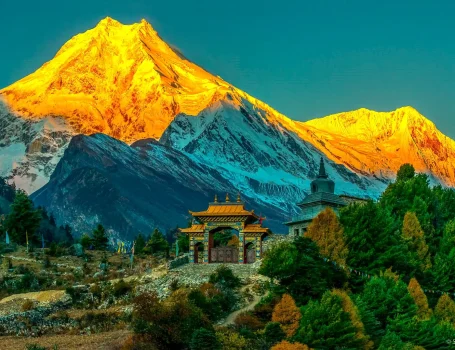
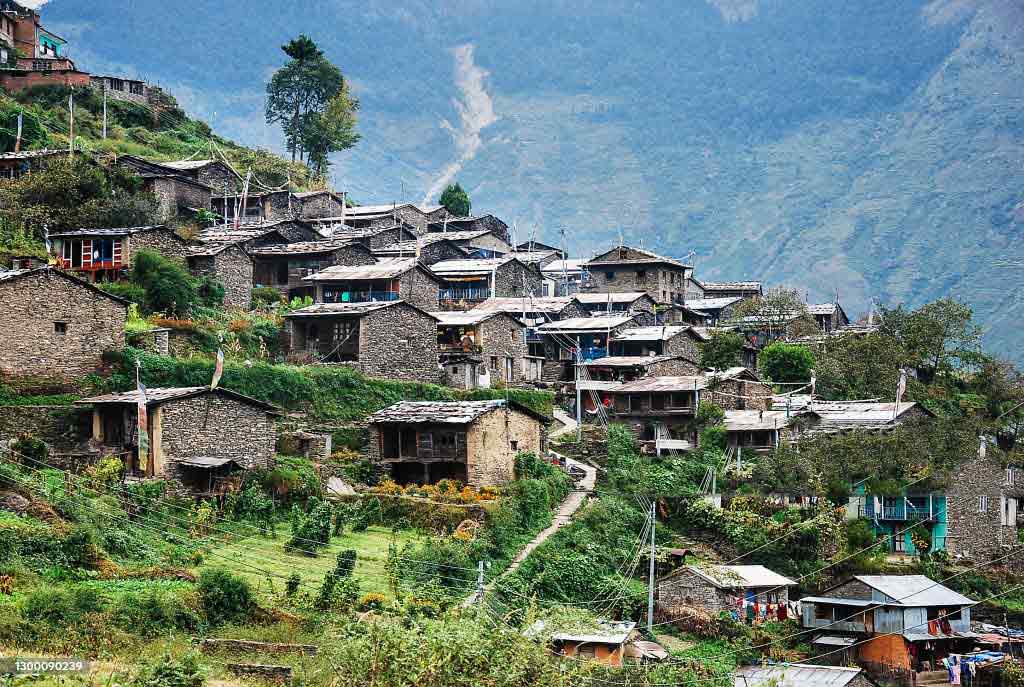
From Tharepati, the route descends into the culturally rich Helambu region. This area is home to the Hyolmo (Helambu Sherpa) community, known for their deep-rooted Buddhist traditions and unique mountain culture. As trekkers descend, the environment becomes greener and more populated, with terraced fields, monasteries, prayer wheels, and mani walls lining the trail. The villages in this region reflect a strong cultural identity, where traditional lifestyles continue alongside farming and animal husbandry.
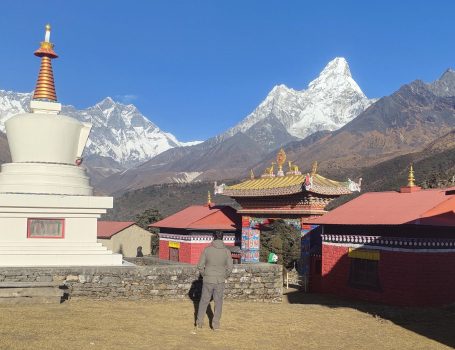
Tarke Gyang is one of the most important villages in Helambu. It is known for its historic monastery, traditional stone houses, and warm hospitality. The village provides an excellent opportunity to experience local culture up close. The spiritual atmosphere, combined with mountain scenery, creates a peaceful and immersive trekking experience.
The trek continues toward Sermathang, a gentle and scenic village surrounded by rolling hills and farmland. This section of the journey is less strenuous and allows trekkers to relax while enjoying wide Himalayan views and observing rural life. The Buddhist influence remains strong, with monasteries and religious monuments present throughout the area.
The final trekking day leads down to Melamchi Bazaar, marking the end of the trail. The descent passes through forests and villages, gradually transitioning from highland landscapes to lower, more populated areas. From Melamchi Bazaar, trekkers drive back to Kathmandu, enjoying scenic views of rivers, hills, and countryside along the way. Returning to the capital provides time to rest and reflect on the journey.
Overall, the Helambu Trek is a perfect short Himalayan adventure that combines nature, culture, and accessibility. With moderate altitude, peaceful trails, and rich Buddhist heritage, it is suitable for beginners as well as experienced trekkers looking for a relaxing yet rewarding experience. The trek offers a beautiful balance of forests, mountain views, traditional villages, and cultural immersion, making it one of the most enjoyable trekking routes close to Kathmandu.
Hightlights
- Spectacular views of Langtang, Ganesh Himal, and Dorje Lakpa
- Immersion in the traditional culture and lifestyles of Tamang communities
- Trekking through lush rhododendron forests and charming villages
- Panoramic mountain vistas and serene landscapes
- Interaction with local communities and experiencing their warm hospitality
- Ancient monasteries, prayer flags, and spiritual enlightenment
- Unforgettable trekking experience in the beautiful Helambu region of Nepal.